Plaque buildup that hardens into tartar is more than just a cosmetic issue—it’s a hidden danger that can trigger gum disease, persistent bad breath, and even tooth loss if left untreated.
Did you know that up to 90% of adults have hardened plaque, known as dental calculus, present on their teeth, including the areas around crowns and dentures, often without realizing it?
So, what causes this stubborn dental problem? And how can you stop if in the tracks? Let’s delve deeper to uncover the root causes, prevention strategies, and proven treatment plans.
What Causes That Hard Buildup On Your Teeth?
The crusty layer on the teeth does not appear overnight. It is the result of plaque, a sticky film of bacteria that is not easy to remove through brushing and flossing. Over time, this plaque hardens and becomes difficult to remove at home.
Here are some of the top reasons that contribute to tartar formation:
Poor Oral Hygiene Habits
Skipping, brushing, or flossing for even a day allows plaque to form and settle on the teeth. Without consistent cleaning, this buildup calcifies and becomes harder to manage.
High Sugar And High Carb Diet
Bacteria love sugar and starch. When you consume food high in these ingredients, you are essentially feeding the bacteria that cause plaque to flourish.
Dry Mouth
Saliva naturally washes away food particles and neutralizes the acids. A dry mouth creates a perfect environment for plaque formation, which further turns into tartar.
Smoking And Tobacco Use
Smokers are likely to develop this oral issue due to decreased saliva production and increased plaque formation.
Not Visiting the Dentist Regularly
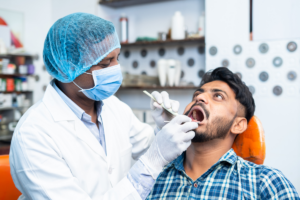
No matter how skilled your brushing technique is, professional cleaning is the only effective way to remove hardened plaque. Skipping clinic visits only lets the problem worsen.
Prevention- Simple Habits That Save Your Smile
While the buildup is tough, the good news is that it can be prevented with consistent habits and lifestyle changes.
Brush Twice Daily
Use a soft-bristled toothbrush and fluoride toothpaste. Spend at least two minutes brushing your teeth, focusing on the gumline and hard-to-reach areas.
Floss Every Day
Flossing removes debris and plaque between your teeth that the brushes cannot reach. This habit alone can reduce buildup to a greater extent.
Use An Antibacterial Mouthwash
Mouthwash helps reduce bacteria and plaque formation, especially in areas where brushing and flossing cannot reach.
Stay Hydrated
Swap sugary food with healthier options like nuts, crunchy vegetables, and cheese. It is beneficial for both your teeth and your body.
Schedule Regular Dental Cleaning
Even if you brush and floss correctly, plaque can still harden over time. A dentist in St. Petersburg can help you keep your teeth clean and free from buildup with professional tools.
Effective Treatment Options to Reduce Tartar Formation
If you have already developed buildup on your teeth, brushing alone cannot help. At this point, only a dental professional can assist.
Scaling And Root Planning
This deep cleaning removes the hardened plaque from above and below the gumline. It smooths the root surface to discourage the bacteria from attaching again.
Ultrasonic Cleaning
Some dental practices use ultrasonic instruments that vibrate at high frequencies to break down the hardened buildup without even damaging the enamel.
Fluoride Treatment
After cleaning, the dental care provider applies fluoride to strengthen the enamel and protect against future plaque accumulation.
Follow-Up Appointments
Depending on your gum health, your dental practitioner may recommend frequent cleanings every 3-4 months to maintain a clean and healthy mouth.
Ignoring that gritty feeling in your teeth can cost you more than just your smile. It can also lead to serious oral problems in the future. But with professional care and regular professional support, it can be completely manageable.
At Creating Smiles Dental, we specialize in preventing and treating tartar through professional dental cleaning. If you’re experiencing signs of plaque buildup and haven’t had a cleaning in a while, contact us to schedule an appointment and take the first step toward a brighter and healthier smile.