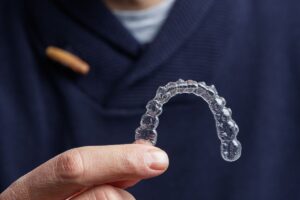
Many people considering Invisalign worry about one important question: Can it damage your teeth? It’s a valid concern. After all, you’re trusting a treatment to move your teeth safely.
The good news is that Invisalign is generally safe when supervised by a professional. However, like any orthodontic treatment, problems can occur if it’s not used properly.
If you’re thinking about starting Invisalign or are already using clear aligners, this guide will help you understand the risks, myths, and how to protect your smile.
Schedule your consultation today to ensure safe and effective Invisalign treatment.
Can Invisalign Damage Your Teeth?
The simple answer: Invisalign does not damage your teeth when used correctly under professional supervision.
Invisalign works by applying gentle, controlled pressure to move your teeth into the right position. This process is carefully planned using advanced technology to ensure safety.
However, issues can arise if:
- Instructions are not followed
- Oral hygiene is poor
- Checkups are skipped
When used properly, Invisalign’s safety is well-established, and millions of patients have achieved successful teeth straightening results.
Common Myths About Invisalign
There’s a lot of misinformation online about clear aligners. Let’s clear up some common myths:
Myth 1: Invisalign Weakens Teeth
Truth: Invisalign does not weaken teeth. It simply moves them gradually and safely.
Myth 2: Clear Aligners Are Riskier Than Braces
Truth: Both treatments are safe when monitored. Invisalign often offers more comfort and convenience.
Myth 3: Invisalign Can Permanently Damage Enamel
Truth: Damage usually happens due to poor hygiene—not the aligners themselves.
Myth 4: Faster Movement Means Better Results
Truth: Teeth need time to move safely. Rushing can cause harm, which is why professional guidance matters.
When Invisalign Can Cause Problems
While Invisalign is safe, certain habits can lead to complications. Understanding these risks helps you avoid them.
Not Wearing Aligners Enough
Consistency is key.
- Aligners should be worn 20–22 hours daily
- Skipping wear time slows progress
- Teeth may shift incorrectly
Poor Oral Hygiene
Clear aligners trap bacteria if your teeth aren’t clean.
- Brush after meals
- Floss daily
- Clean aligners properly
Neglecting hygiene can lead to cavities or gum issues.
Ill-Fitting Trays
Aligners should fit snugly.
- Poor fit may cause discomfort
- Teeth may not move as planned
- It can lead to uneven results
Skipping Checkups
Regular visits ensure your treatment stays on track.
- Adjustments may be needed
- Problems can be caught early
- Progress is monitored safely
Following professional guidance ensures your Invisalign journey stays safe and effective.
Signs Something Is Wrong During Invisalign Treatment
It’s important to recognize warning signs early.
Contact a professional if you notice:
- Severe or persistent pain
- Aligners not fitting properly
- Gum swelling or bleeding
- Teeth feeling loose in an unusual way
- No visible progress over time
These issues don’t always mean serious damage—but they should never be ignored.
How to Use Invisalign Safely (Expert Tips)
To get the best results from Invisalign, follow these simple but powerful tips:
Wear Aligners as Directed
Stick to 20–22 hours daily for consistent progress.
Maintain Excellent Oral Hygiene
- Brush after every meal
- Floss regularly
- Clean aligners daily
Handle Aligners Carefully
- Store them in a case
- Avoid heat exposure
- Keep them clean and dry
Follow Your Treatment Plan
- Change aligners on schedule
- Attend all appointments
- Ask questions if unsure
Be Patient
Safe teeth straightening takes time. Trust the process.
These habits help ensure maximum Invisalign safety and optimal results.
Benefits of Invisalign Treatment
When done correctly, Invisalign offers several advantages:
Virtually Invisible
Clear aligners are discreet and hard to notice.
Comfortable Fit
No metal wires or brackets to irritate your mouth.
Removable Convenience
You can eat, brush, and floss without restrictions.
Predictable Results
Advanced planning ensures precise tooth movement.
Better Oral Hygiene
Easier to clean compared to traditional braces.
With proper care, Invisalign is one of the most effective modern options for teeth straightening.
When to Contact a Professional
Don’t wait if something feels off during your treatment.
Reach out if you experience:
- Broken or lost aligners
- Sudden discomfort
- Poor fit or alignment issues
- Signs of infection or decay
Early action helps prevent complications and keeps your Invisalign treatment on track.
FAQs About Invisalign
1. Can Invisalign damage your teeth permanently?
No, Invisalign does not cause permanent damage when used correctly. Problems usually arise from poor hygiene or not following instructions.
2. Is Invisalign safer than braces?
Both are safe. Invisalign offers added comfort and flexibility, but success depends on proper use.
3. What happens if I don’t wear Invisalign enough?
Your teeth may shift incorrectly, delaying results and affecting overall teeth straightening progress.
4. Can Invisalign cause cavities?
Only if oral hygiene is poor. Food and bacteria trapped under aligners can increase the risk.
5. How do I know if my Invisalign isn’t working?
If aligners don’t fit, pain persists, or progress stalls, consult a professional immediately.
Conclusion: Safe When Done Right
So, can Invisalign damage your teeth? The answer is clear: it’s safe when used correctly and under professional supervision.
Most risks come from misuse—not the treatment itself. By following proper guidelines, maintaining good hygiene, and staying consistent, you can achieve a healthy, confident smile without worry.
Schedule your consultation today and start your Invisalign journey with confidence and expert care.