Oral cancer may not be something most people think about regularly, but it’s more common and more dangerous than you might expect. When caught early, it’s highly treatable. That’s why routine oral cancer screenings are such an important part of maintaining your overall health, not just your smile.
In this post, we’ll explore what oral cancer is, who’s at risk, what symptoms to look out for, and how a quick, painless screening can save your oral health.
Also, we’ll take a closer look at how you can protect yourself and your loved ones with regular checkups and screenings.
What Is Oral Cancer and Why Should You Be Aware of It?
Oral cancer develops in the tissues of the mouth or throat. It can occur on the lips, tongue, cheeks, roof, or floor of your mouth, gums, and even in your tonsils. This type of cancer can be life-threatening if it’s not diagnosed early.
There are two types of oral cancers: squamous cell carcinoma and salivary gland tumors.
The causes of oral cancer vary from excessive tobacco use to alcohol consumption and even exposure to certain viruses such as human papillomavirus (HPV). In addition to these factors, age also plays a role, with those over 50 being at higher risk.
Understanding the Types of Oral Cancer That Can Affect the Mouth and Throat
The most common type is squamous cell carcinoma that usually develops on the surface layer of tissues inside your mouth. It often appears as a white or reddish patch or sore that doesn’t heal for an extended period. Another form is Verrucous carcinoma which grows slowly in warty masses with finger-like projections.
Minor salivary gland carcinomas mostly affect people over 50 years old and tend to develop at the back of their mouths. Meanwhile adenoid cystic carcinomas grow from both minor and major salivary glands located near jaws.
Oral lymphoma affects blood cells responsible for fighting disease-causing agents while oral melanoma affects skin pigment-producing cells known as melanocytes.
Understanding each type’s characteristics will help you identify potential symptoms early on so you can seek medical attention before it progresses further.
Common Symptoms of Oral Cancer You Shouldn’t Ignore
Oral cancer is a serious disease that affects thousands of people every year. It’s important to be aware of the symptoms so that you can catch it early and get treatment right away.
The most common symptom of oral cancer is a sore in your mouth that doesn’t heal within two weeks. This could be anywhere in your mouth, including on your lips, tongue, or gums.
Other symptoms include white or red patches in your mouth, difficulty swallowing or chewing, persistent ear pain, and a lump or thickening in your cheek.
How Routine Oral Cancer Screenings Work During a Dental Visit
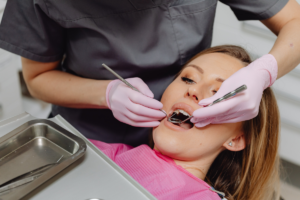
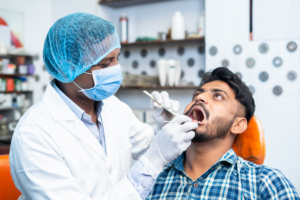
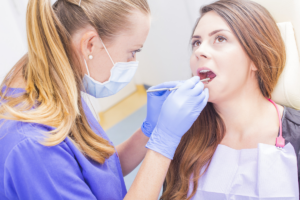
You might be wondering what actually happens during an oral cancer screening. Your dentist will examine your mouth, lips, tongue, throat, and gums for any unusual lumps, sores, or discolorations. Sometimes, they may use a special light or dye to highlight abnormal tissue. If anything looks suspicious, they may recommend a simple biopsy or refer you to a specialist for further evaluation.
Early detection saves lives, and the screening process is simple, fast, and typically done in under five minutes.
Who Needs Oral Cancer Screenings and How Often Should You Get Them?
Oral cancer doesn’t discriminate, it can affect anyone. However, you should be especially proactive about screenings if you:
- Are over 40
- Use tobacco products or drink alcohol regularly
- Have been exposed to HPV
- Have a family history of cancer
Most dental professionals recommend getting screened for oral cancer once a year, especially if you fall into any of the higher-risk groups. Even if you’re healthy and have no symptoms, screenings are a smart way to stay ahead of potential health issues.
Simple Lifestyle Changes That Can Help Prevent Oral Cancer
Preventing oral cancer is all about taking the necessary steps to reduce your risk of developing this serious disease. One of the most important things you can do is to maintain good oral hygiene practices, such as brushing and flossing regularly. This helps keep your mouth clean and free from harmful bacteria that can cause oral cancer.
Another way to prevent oral cancer is by avoiding tobacco products, including cigarettes, cigars, and chewing tobacco. Tobacco use is a major risk factor for developing oral cancer, so quitting or never starting in the first place is crucial.
Limiting alcohol consumption is also important when it comes to preventing oral cancer. Excessive alcohol intake has been linked with an increased risk of developing several types of cancers, including those affecting the head and neck.
Where to Get Oral Cancer Screenings in St. Petersburg, FL
If you haven’t had an oral cancer screening recently, our team at Creating Smiles Dental is here to help. We include oral cancer checks as a routine part of your dental exam because we believe prevention and early detection are key to long-term health.
Contact us today to schedule your appointment. Whether it’s your first screening or part of your ongoing dental care, we’ll walk you through the process with compassion and care.