Dental implants have revolutionized the field of dentistry by providing a permanent solution to missing teeth. They offer a natural look and feel, restoring both functionality and aesthetics to your smile. However, successful dental implants often require a strong and healthy jawbone. This is where bone grafting comes into play. In this blog, we’ll explore the essentials of dental implants and bone grafting, and how these procedures can benefit you.
Understanding Dental Implants
What Are Dental Implants?
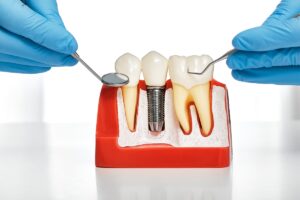
Dental implants are artificial tooth roots made of titanium, which are surgically placed into the jawbone. They provide a stable foundation for replacement teeth, such as crowns, bridges, or dentures. The titanium posts integrate with the jawbone through a process called osseointegration, ensuring that the implants are secure and function like natural teeth.
Benefits of Dental Implants
- Durability: Dental implants can last a lifetime with proper care.
- Natural Appearance: They look and feel like real teeth.
- Improved Functionality: Implants restore the ability to chew and speak properly.
- Bone Health: They help preserve the jawbone by preventing bone loss that typically occurs with missing teeth.
- Convenience: Unlike dentures, implants are fixed and do not require removal.
The Role of Bone Grafting in Dental Implants
Why Is Bone Grafting Needed?
For dental implants to be successful, there needs to be enough healthy bone in the jaw to support the implant. However, if you have been missing teeth for a while, or if you have suffered from gum disease or injury, your jawbone may have deteriorated. Bone grafting helps rebuild and strengthen the jawbone, creating a solid foundation for the implants.
Types of Bone Grafts
- Autografts: Bone is taken from another part of your body, such as the hip or chin.
- Allografts: Bone is sourced from a human donor, typically obtained from a bone bank.
- Xenografts: Bone is derived from an animal source, usually a cow.
- Alloplasts: Synthetic materials that mimic natural bone.
The Bone Grafting Procedure
The bone grafting procedure involves the following steps:
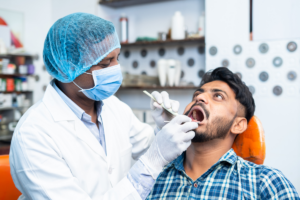
- Consultation: Your dentist will assess your jawbone and overall oral health.
- Anesthesia: The area is numbed to ensure comfort during the procedure.
- Incision: A small incision is made in the gum to access the jawbone.
- Graft Placement: The bone graft material is placed in the needed area.
- Healing: The incision is closed, and the area is allowed to heal. This process can take several months, during which the graft integrates with the existing bone.
What to Expect During the Healing Process
Initial Recovery
- Swelling and Discomfort: It’s normal to experience some swelling and discomfort after the procedure. Over-the-counter pain relievers can help manage this.
- Dietary Restrictions: Stick to soft foods and avoid chewing on the grafted area to promote healing.
Long-term Healing
- Osseointegration: The graft needs time to integrate with the jawbone. This process typically takes three to six months.
- Follow-Up Visits: Regular check-ups with your dentist are crucial to monitor the healing process and ensure everything is progressing as expected.
Getting Dental Implants After Bone Grafting
Implant Placement
Once the bone graft has fully integrated and the jawbone is strong enough, the dental implant can be placed. The process is similar to the initial bone grafting procedure:
- Incision: A small cut is made in the gum to expose the bone.
- Drilling: A hole is drilled into the bone to place the titanium post.
- Post Placement: The implant is inserted into the hole.
- Healing: The area is closed, and time is allowed for osseointegration.
Attaching the Replacement Tooth
After the implant has successfully integrated with the jawbone, a small connector, called an abutment, is attached to the implant. The final step is placing the custom-made crown, bridge, or denture onto the abutment, completing the restoration.
Caring for Your Dental Implants
Oral Hygiene
Maintaining good oral hygiene is essential for the longevity of your dental implants. Brush and floss regularly, and use an antibacterial mouthwash to keep your mouth clean and healthy.
Regular Dental Visits
Regular dental check-ups are crucial to monitor the condition of your implants and overall oral health. Your dentist will check for any signs of complications and provide professional cleanings.
Avoiding Harmful Habits
- Smoking: Smoking can impede the healing process and increase the risk of implant failure.
- Teeth Grinding: If you grind your teeth, consider wearing a nightguard to protect your implants.
In Summary
Dental implants are a highly effective solution for replacing missing teeth, offering durability and a natural appearance. However, a strong and healthy jawbone is essential for their success. Bone grafting plays a crucial role in rebuilding the jawbone and providing a stable foundation for implants. By understanding the processes involved and following proper care guidelines, you can enjoy the many benefits of dental implants for years to come.
If you’re considering dental implants in St. Petersburg, it’s important to consult with a qualified dentist who can assess your needs and guide you through the process. With the right care and attention, dental implants can restore your smile and improve your quality of life.