Many adults ignore small changes in how their teeth meet. You may feel slight pressure, a shift while chewing, or a mild jaw ache. These signs can point to early bite problems. A trusted dentist can often spot these changes before they grow into bigger concerns.
If you’ve ever wondered why your bite feels “off,” you’re not alone. Early checks can make a real difference in keeping your teeth and jaw healthy.
What Is a Bite Problem?
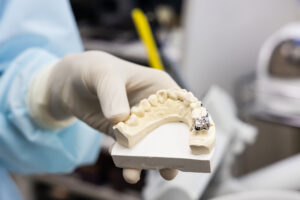
Your bite is how your top and bottom teeth come together. When your bite is balanced, your teeth fit well and work with ease.
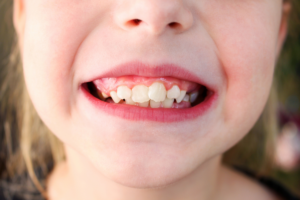
A bite problem happens when teeth do not line up as they should. This can affect chewing, speech, and comfort. A trained dentist looks beyond the surface to see how your teeth function together.
Early Signs You Should Not Ignore
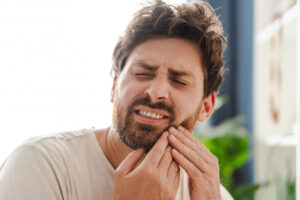
Bite problems in adults often start small. You may not feel pain right away. Watch for these signs:
- Teeth that hit unevenly
- Jaw clicking or tightness
- Mild pain when chewing
- Worn or chipped teeth
- Headaches after waking up
A dentist can connect these symptoms to your bite and guide you early.
Why Early Detection Matters
Small bite issues can get worse over time. When left alone, they may lead to:
- Tooth wear
- Gum stress
- Jaw strain
- Changes in your bite pattern
Early care helps avoid long-term problems. Your dentist can monitor changes and help you keep things stable.
How a Dentist Checks Your Bite
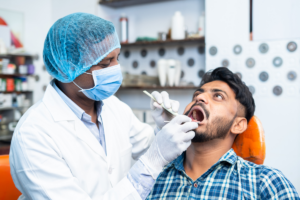
A bite check is simple and does not take long. During a visit, the dentist may:
- Ask how your teeth feel when you bite
- Check how your teeth touch when you close your mouth
- Look for wear on teeth
- Feel your jaw for tension
These steps help find early signs that are easy to miss at home.
Everyday Habits That Can Affect Your Bite
Many daily habits can slowly change your bite:
- Teeth grinding at night
- Clenching during stress
- Chewing on one side
- Biting nails or hard items
In busy local communities, stress and long work hours are common. These habits can impact your bite over time. A dentist can help you notice these patterns and suggest simple changes.
When Should You Get Your Bite Checked?
You do not need to wait for pain. It’s a good idea to see a dentist if:
- Your bite feels different
- You notice jaw discomfort
- Your teeth feel sensitive or worn
- You have trouble chewing
Routine visits help catch issues early, even when you feel fine.
What Happens After a Bite Evaluation?
If a concern is found, your dentist will explain it in clear terms. You may be advised to:
- Monitor the condition
- Adjust daily habits
- Follow simple care steps at home
The goal is to protect your teeth and keep your bite balanced.
Local Insight for Daily Life
In active neighborhoods, people often deal with stress, long commutes, and packed schedules. These factors can affect oral habits like clenching or grinding. Regular dental visits help you stay aware of small changes before they become bigger issues.
Conclusion
Bite problems do not appear all at once. They build slowly and often go unnoticed. A regular visit with a dentist can help catch early signs and keep your oral health on track.
If your bite feels off or you want peace of mind, it may be time for a check. You can schedule a consultation with Creating Smiles Dental to better understand your oral health. If you have concerns, contact our Creating Smiles Dental office and get the guidance you need.
FAQs
1. How do I know if my bite is not normal?
You may notice uneven pressure when you chew, or your teeth may not fit together like before. Small changes like this can be early signs.
2. Can bite problems develop even if I never had them before?
Yes. Teeth can shift over time due to wear, habits, or jaw changes. This can affect your bite as you age.
3. Is jaw discomfort always linked to bite issues?
Not always, but it can be a common cause. Jaw tension, clicking, or soreness may relate to how your teeth align.
4. Can grinding affect how my teeth come together?
Yes. Grinding places pressure on teeth and can slowly change how they meet over time.
5. Are early bite problems easy to manage?
In many cases, yes. Early care helps prevent more serious issues and keeps treatment simple.
6. Should I get my bite checked even if I feel no pain?
Yes. Many bite issues do not cause pain at first. Regular checks help find problems early.