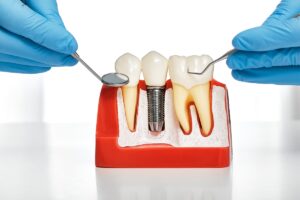
Tooth extraction can be a daunting experience, and the post-extraction care often comes with a list of do’s and don’ts. Among the many questions patients have post-extraction, one common query is, “Can I drink tea after tooth extraction?” Here you will get comprehensive information on this topic, ensuring you understand the best practices to follow for a smooth recovery.
Immediate Post-Extraction Care
Immediately after your tooth extraction, your dentist will give you specific instructions to follow. These typically include:
- Bite on Gauze: To control bleeding, you will need to bite on a gauze pad for 30-45 minutes after the procedure.
- Avoid Rinsing or Spitting Vigorously: This helps to protect the blood clot that forms in the socket, which is crucial for healing.
- Rest: Take it easy for the rest of the day. Avoid strenuous activities that could increase blood pressure and lead to more bleeding.
- Ice Packs: Apply ice packs to your face to reduce swelling.
The Role of Beverages in Recovery
Staying hydrated is important, but not all beverages are suitable immediately after a tooth extraction. Water is the safest option, but what about tea? Let’s delve into whether you can enjoy your favorite cup of tea post-extraction.
The Concern with Hot Beverages
After a tooth extraction, the primary concern with drinking tea, especially hot tea, is that it can interfere with the healing process. Hot beverages can:
- Dislodge the Blood Clot: The heat from the tea can dissolve or dislodge the blood clot that forms in the socket. This clot is essential for healing and protecting the underlying bone and nerves.
- Increase Swelling and Bleeding: Hot liquids can dilate blood vessels, which may lead to increased swelling and bleeding at the extraction site.
The Safe Way to Drink Tea Post-Extraction
While hot tea is not recommended immediately after a tooth extraction, you don’t have to give up tea entirely. Here’s how you can safely enjoy tea during your recovery:
- Wait for the Right Time: It’s advisable to wait at least 24 to 48 hours before consuming any hot beverages. During this period, stick to cold or lukewarm drinks to avoid complications.
- Opt for Lukewarm or Cold Tea: After the initial 48 hours, you can start drinking tea if it’s lukewarm or cold. This will minimize the risk of disturbing the healing process.
- Avoid Straws: Drinking through a straw can create suction in your mouth, which might dislodge the blood clot. Sip your tea directly from the cup instead.
Benefits of Tea After Tooth Extraction
Once you can safely drink tea, there are several benefits to incorporating it into your post-extraction diet:
- Hydration: Keeping hydrated is crucial for recovery. Cold or lukewarm tea can be a soothing way to stay hydrated.
- Anti-Inflammatory Properties: Certain types of tea, such as chamomile and green tea, have anti-inflammatory properties that may help reduce swelling and promote healing.
- Comfort: A soothing cup of tea can provide comfort and a sense of normalcy during your recovery.
Types of Tea to Consider
Not all teas are created equal when it comes to post-extraction recovery. Here are a few types of tea that might be particularly beneficial:
Chamomile Tea:
Chamomile tea is known for its calming effects and anti-inflammatory properties. It can help reduce swelling and provide a soothing effect, making it an excellent choice after tooth extraction.
Green Tea:
Green tea contains antioxidants and anti-inflammatory compounds that can aid in healing. Ensure it’s lukewarm or cold to avoid any issues with the extraction site.
Peppermint Tea:
Peppermint tea has natural pain-relieving properties and can be quite soothing. Drinking it cold or lukewarm can provide comfort without disturbing the healing process.
Additional Tips for a Smooth Recovery
In addition to managing your tea intake, here are some more tips to ensure a smooth
recovery after your tooth extraction:
- Follow Your Dentist’s Instructions: Always follow the specific advice given by your dentist. They know your individual case best and can provide personalized guidance.
- Maintain Oral Hygiene: Keep your mouth clean, but be gentle around the extraction site. Brush and floss carefully to avoid disturbing the clot.
- Soft Foods: Stick to a diet of soft foods like yogurt, applesauce, and mashed potatoes for the first few days. Gradually reintroduce harder foods as you heal.
- Avoid Smoking and Alcohol: Both can interfere with the healing process and increase the risk of complications such as infection and dry socket.
When to Visit Your Dentist
While some discomfort and swelling are normal after a tooth extraction, certain signs indicate you should visit your nearest dentist:
- Severe Pain: If you experience severe pain that doesn’t improve with painkillers, it could be a sign of dry socket or infection.
- Excessive Bleeding: While some bleeding is normal, excessive bleeding that doesn’t subside with pressure is a concern.
- Swelling: Significant swelling that worsens after the first few days might indicate an infection.
- Fever or Chills: These symptoms could indicate an infection that requires immediate attention.
In Summary
In summary, while you should avoid hot tea immediately after a tooth extraction, you can enjoy lukewarm or cold tea after the first 24 to 48 hours. Chamomile, green, and peppermint teas are excellent choices due to their soothing and anti-inflammatory properties. Always follow your dentist’s instructions and monitor your recovery closely. If you are in St. Petersburg and experiencing any concerning symptoms, don’t hesitate to visit your St. petersburg dentist for further evaluation and care.
By understanding these guidelines and following them diligently, you can ensure a smooth and comfortable recovery after your tooth extraction. Enjoy your tea, stay hydrated, and take care of your oral health!