Your teeth are shifting—here’s what that really means for West and East Lealman residents who may have been putting off dental care. Shifting teeth are not just a cosmetic problem. They are often a signal that something deeper and more serious is happening beneath your gumline. At Creating Smiles Dental, Dr. Cindy N Brayer helps patients recognize these warning signs before small problems become major ones.
Many people in our community dismiss tooth movement as a normal part of aging. It is not. Shifting teeth usually mean your jawbone or supporting structures are already compromised. The sooner you understand what is happening, the sooner you can protect your long-term oral health.
Why Your Teeth Are Shifting in West and East Lealman
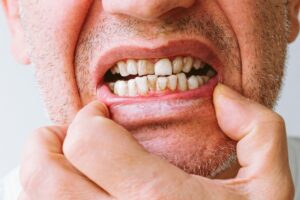
Teeth do not move on their own without a reason. The most common cause is tooth loss. When a tooth is missing, the surrounding teeth begin to drift into the empty space. This creates a domino effect across your entire bite.
Another major cause is bone loss. Your jawbone depends on tooth roots to stay stimulated and dense. Without that stimulation, the bone slowly shrinks away. As the bone recedes, your teeth lose the anchoring support they need to stay in place.
Gum disease is also a serious culprit. Advanced periodontal disease destroys the tissue and bone holding your teeth in position. Many patients do not realize their gum disease has progressed until their teeth are already visibly moving. This is why regular checkups with Dr. Brayer are so important for West and East Lealman patients.
Warning Signs You Have Already Waited Too Long
Some patients come to our St. Petersburg practice thinking they just need a simple filling. But certain signs suggest the situation is more urgent. Knowing these red flags can save your remaining teeth and your jawbone.
Watch for these critical warning signs:
- Visible gaps forming between teeth that were not there before
- Teeth that feel loose or wiggle when you touch them
- Difficulty chewing hard or even soft foods without pain
- A change in the way your upper and lower teeth come together
- Sunken or collapsed appearance around your lips and cheeks
- Chronic jaw pain or clicking when you open your mouth
Each of these signs points to structural breakdown in your mouth. They do not resolve on their own. Waiting longer only allows the damage to spread further and makes treatment more complex.
If you are experiencing sudden tooth pain alongside these symptoms, you may need a Dental Emergency West and East Lealman appointment as soon as possible. Acute pain combined with shifting teeth can signal an infection or advanced bone loss requiring immediate attention.
What Bone Loss Really Does to Your Smile
Bone loss is the silent force driving most cases of tooth shifting. You cannot feel it happening in real time. By the time most patients notice visible changes, significant bone volume has already disappeared.
Here is why this matters so much. Bone loss does not just affect the missing tooth area. It gradually weakens the entire jaw structure. This can cause neighboring teeth to tip, tilt, or rotate out of alignment over months and years.
Bone loss also changes your facial appearance. The lower third of your face can look sunken or older than your actual age. Many West and East Lealman patients describe feeling embarrassed about smiling in photos or during conversations. This emotional impact is very real and completely understandable.
The good news is that bone loss can often be addressed. Bone grafting procedures can rebuild lost volume and create a healthy foundation for replacement teeth. Dr. Brayer assesses each patient individually to determine the best path forward based on the current state of the bone.
How Dental Implants Stop the Shifting and Restore Function
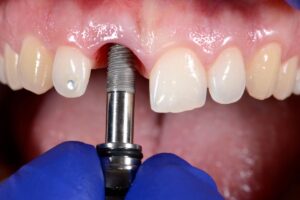
The most effective long-term solution for missing teeth and bone loss is a Dental Implant West and East Lealman placement. Unlike dentures or bridges, dental implants replace the entire tooth structure—including the root. This is a critical distinction.
The implant post is inserted directly into the jawbone. It mimics the function of a natural tooth root. This stimulation tells the bone to stay dense and healthy. It halts the bone loss cycle that causes neighboring teeth to shift.
Benefits of dental implants for patients with shifting teeth include:
- Stops bone loss by stimulating the jaw from within
- Prevents neighboring teeth from drifting into the gap
- Restores full chewing ability with a stable, secure bite
- Looks and feels like a natural tooth
- Can last decades with proper care
- Supports facial structure and prevents a sunken appearance
Not every patient is immediately ready for an implant. Some need bone grafting first to rebuild the foundation. Dr. Brayer will walk you through exactly what your situation requires and what to expect at each stage of treatment. There are no surprises at Creating Smiles Dental.
Difficulty Chewing Is Not Just Inconvenient—It Is a Health Warning
Many patients in West and East Lealman tell us they have simply adapted to chewing on one side. Or they have quietly stopped eating certain foods they love. This kind of compensation feels normal after a while. But it is a warning sign your body is sending you.
When you cannot chew properly, your digestion suffers. You also put uneven pressure on the teeth you do use. This extra stress accelerates wear and can lead to cracking or fracturing of those remaining teeth. One problem feeds the next.
Difficulty chewing also places strain on your jaw joints. Over time, this can contribute to temporomandibular joint disorders, or TMJ issues. Headaches, ear pain, and neck tension are common secondary effects many patients never connect to their dental situation.
Addressing the root cause—missing teeth, shifting, and bone loss—usually resolves the chewing difficulty. Patients who complete implant treatment consistently report that eating comfortably again was life-changing. That improvement in daily quality of life is something Dr. Brayer is proud to provide to the West and East Lealman community.
Take Action Before the Damage Deepens
If your teeth are shifting, the window for simpler treatment is closing. Every month of delay means more bone loss, more movement, and more complexity in the eventual solution. The earlier you act, the more options you have available to you.
Dr. Cindy N Brayer and the team at Creating Smiles Dental offer compassionate, judgment-free care for patients at every stage. Whether you need a full evaluation, a bone graft consultation, or an implant placement, we are here to guide you through each step. Our goal is always to give you back a healthy, functional, and confident smile. Book Now to schedule your appointment with our team.
Frequently Asked Questions
Can shifting teeth fix themselves without treatment?
No. Teeth do not shift back into place on their own. Once a tooth begins to drift, the forces pulling it out of alignment continue to worsen over time. Professional intervention is always required to stop and correct the movement.
How do I know if I have bone loss in my jaw?
Bone loss is often invisible without dental X-rays. Common signs include loose teeth, shifting teeth, a sunken facial appearance, or difficulty fitting dentures. Dr. Brayer uses digital imaging to assess your bone density and identify any loss during your exam.
Is it too late to get a dental implant if I have already lost bone?
Not necessarily. Many patients who have experienced bone loss are still candidates for dental implants after a bone grafting procedure. Dr. Brayer evaluates each case individually to determine whether grafting can rebuild enough bone volume to support an implant successfully.
How long does the dental implant process take?
The timeline varies depending on your starting point. If bone grafting is needed first, the full process may take several months to allow for proper healing. If your bone is healthy enough, treatment can move more quickly. Dr. Brayer will give you a clear timeline during your consultation.
What happens if I keep ignoring shifting teeth?
Continued delay leads to accelerating bone loss, more teeth becoming unstable, and greater complexity in treatment. Eventually, patients may face full tooth loss requiring full-arch reconstruction. Acting early gives you more options and typically results in simpler, less involved treatment.