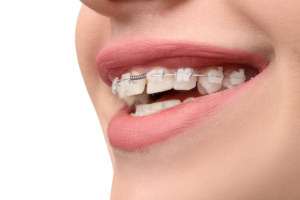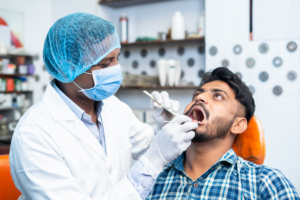
Orthodontic care does not end when braces or aligners come off. Keeping your teeth straight and your bite stable takes ongoing care. This is where a dentist plays a key role.
Many adults think orthodontic care is a one-time step. In reality, your teeth can shift over time. A dentist can help protect your results and keep your smile healthy for years.
Why Long-Term Orthodontic Care Matters
After your teeth are aligned, they still need support. Without proper care, teeth may slowly move back to their old position.
Long-term care helps:
- Keep your bite balanced
- Prevent shifting
- Protect your gums and bone
- Maintain comfort while chewing
Your dentist checks these areas during routine visits and helps you stay on track.
Monitoring Tooth Position Over Time
Teeth are not fixed in place forever. Daily habits, aging, and pressure can cause small changes.
During checkups, your dentist looks for:
- Minor shifting
- Changes in spacing
- Signs of bite imbalance
Catching these early helps prevent bigger issues later.
Supporting Retainer Use
Retainers are a key part of keeping your teeth in place. Many people stop wearing them too soon or forget to use them.
The dentist will:
- Check if your retainer fits well
- Remind you how often to wear it
- Look for signs that your teeth are moving
Simple guidance can make a big difference in keeping your results stable.
Protecting Gum and Bone Health
Straight teeth still need strong support from the gums and bone. Poor oral care can affect these tissues and lead to changes in alignment.
A dentist focuses on:
- Gum health
- Plaque buildup
- Early signs of inflammation
Healthy gums help hold your teeth in place long after orthodontic care.
Managing Everyday Habits
Some habits can affect your teeth over time, even after treatment:
- Teeth grinding
- Jaw clenching
- Chewing on one side
- Nail biting
In busy local communities, stress and long work hours can increase these habits. A dentist can help you spot them and suggest simple ways to reduce the impact.
Addressing Small Issues Early
You may not notice small changes in your teeth or bite. Over time, these can grow into bigger concerns.
Your dentist can help by:
- Check your bite at each visit
- Noticing early wear on teeth
- Giving advice to prevent further changes
Early care keeps your treatment results stable and avoids added stress on your teeth.
Building a Long-Term Care Routine
Good habits at home support your orthodontic results. A dentist can guide you with:
- Proper brushing and flossing
- Retainer care
- Regular checkup schedules
These steps are simple but help protect your smile over time.
Local Insight for Daily Life
In active areas where people balance work, family, and long days, oral care can be easy to overlook. Small habits like skipping retainer use or clenching your teeth during stress can affect your results. Regular dental visits help you stay aware and prevent slow changes.
Conclusion
Orthodontic care is not just about straight teeth. It’s about keeping them that way. A trusted dentist plays an important role in maintaining your results, checking for changes, and protecting your overall oral health.
If you want to keep your smile stable and healthy, regular visits matter. You can schedule a consultation with Creating Smiles Dental to stay on track with your long-term care. If you have concerns about shifting teeth or your bite, contact our Creating Smiles Dental office for support and guidance.
FAQs
1. Why do teeth shift after orthodontic treatment?
Teeth can move due to natural changes, daily habits, or not wearing retainers as advised. This is why long-term care is important.
2. How often should I wear my retainer?
It depends on your needs, but many people need to wear it regularly to keep teeth in place. Following instructions helps prevent shifting.
3. Can small changes in my bite cause problems?
Yes. Even slight changes can affect how you chew and may lead to discomfort over time.
4. What are signs that my teeth are shifting?
You may notice spacing changes, tightness in your retainer, or a different feel when biting down.
5. How can I protect my teeth after treatment ends?
Good oral hygiene, regular checkups, and consistent retainer use help maintain your results.
6. Is long-term orthodontic care necessary for everyone?
Yes. Ongoing care helps keep your teeth aligned and supports your overall oral health.