Thinking about getting a dental bridge in St. Petersburg? You likely have a lot of questions before committing. That is completely normal. Many patients at Creating Smiles Dental come in feeling unsure about what a bridge involves, how long it lasts, and whether it is the right fit. These 5 questions about dental bridges every patient should ask first in St. Petersburg will give you honest, clear answers. Dr. Cindy N Brayer and her team are here to guide you every step of the way.
Question 1: What Exactly Is a Dental Bridge and How Does It Work?
A dental bridge replaces one or more missing teeth. It uses your natural teeth on either side of the gap as anchors. Those anchor teeth are called abutment teeth. A false tooth — called a pontic — sits between them and fills the empty space.
The bridge is permanently cemented in place. You cannot remove it like dentures. It looks, feels, and functions very much like your natural teeth.
There are several types of bridges available. The most common is a traditional bridge, which relies on two crowned abutment teeth. Implant-supported bridges are another option, and they do not require altering healthy teeth.
- Traditional bridges anchor to natural teeth on both sides
- Cantilever bridges use one abutment tooth on only one side
- Maryland bridges bond to the backs of adjacent teeth with minimal prep
- Implant-supported bridges offer the most stability without altering nearby teeth
Question 2: Am I a Good Candidate for a Dental Bridge in St. Petersburg?
Not every patient is automatically a good candidate. Dr. Brayer will evaluate your oral health carefully before recommending a bridge. The teeth surrounding the gap must be strong and healthy enough to support the bridge structure.
Patients with active gum disease may need treatment before getting a bridge. Healthy gums are essential for long-term bridge success. If you are dealing with gum disease, Creating Smiles Dental also provides Gum Disease Treatment to restore your oral health first.
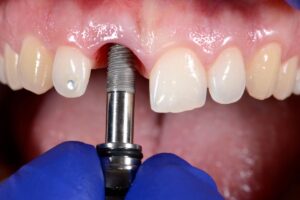
Bone loss in the jaw can also affect candidacy. If significant bone loss exists, Dr. Brayer may discuss bone grafting as a preparatory step. Patients who want to avoid altering healthy teeth may be better suited for a Dental Implant St. Petersburg instead.
A thorough consultation will help determine your best path forward. Every patient’s situation is unique, and there is no one-size-fits-all answer.
Question 3: What Does the Dental Bridge Process Actually Look Like?
Many patients worry the process will be painful or overwhelming. The good news is that it is straightforward and typically involves just two appointments. Dr. Brayer uses local anesthesia to keep you comfortable throughout each visit.
Here is what you can generally expect during the bridge process:
- Consultation and X-rays: Dr. Brayer examines your mouth and takes X-rays to assess bone and tooth health.
- Tooth preparation: The abutment teeth are gently reshaped to accommodate the crowns that will hold the bridge.
- Impressions: Detailed impressions are taken and sent to a dental lab to custom-craft your bridge.
- Temporary bridge placement: A temporary bridge protects your teeth while the permanent one is being made.
- Permanent bridge placement: Your custom bridge is fitted, adjusted for bite, and cemented securely in place.
Most patients find the process much easier than they expected. Any mild soreness after appointments typically fades within a day or two.
Question 4: How Long Will a Dental Bridge Last?
This is one of the top questions patients ask, and rightfully so. A dental bridge is an investment in your smile. With proper care, most bridges last between 10 and 15 years. Some last even longer.
The lifespan depends largely on your oral hygiene habits. Brushing twice daily and flossing under the bridge with a floss threader makes a big difference. Regular dental checkups at Creating Smiles Dental help Dr. Brayer catch any issues early.
What you eat also matters. Chewing very hard or sticky foods can put stress on the bridge over time. Avoiding habits like nail biting or chewing ice helps protect your investment.
- Brush twice daily with fluoride toothpaste
- Use a floss threader or water flosser to clean beneath the bridge
- Schedule professional cleanings every six months
- Avoid hard, sticky, or overly chewy foods
- Wear a night guard if you grind your teeth while sleeping
Question 5: What Happens If I Have a Problem With My Bridge?
Even well-made bridges can sometimes develop issues. A bridge may feel loose, crack, or cause sensitivity. If this happens, do not wait. Getting prompt care prevents the problem from getting worse.
If you experience sudden pain or your bridge feels unstable, seek care right away. Creating Smiles Dental offers Dental Emergency St. Petersburg services for exactly these situations. Dr. Brayer and her team take urgent concerns seriously and make time for patients in need.
In some cases, a loose bridge can be re-cemented. If the underlying teeth are compromised, additional treatment may be needed. Dr. Brayer will always explain your options clearly and honestly.
The key is not to ignore discomfort. Early attention nearly always leads to simpler, less costly solutions.
Making the Right Decision for Your Smile
Asking the right questions before starting any dental treatment shows real wisdom. These 5 questions about dental bridges every patient should ask first in St. Petersburg give you a solid foundation. Dr. Cindy N Brayer at Creating Smiles Dental is committed to honest, patient-centered care. She takes time to explain every detail so you feel confident and informed.
Whether a bridge is your best option or another solution fits better, you deserve clear guidance. St. Petersburg patients trust Creating Smiles Dental for compassionate, high-quality general and cosmetic dentistry. You are never just a number here — you are a person who deserves a healthy, beautiful smile.
Ready to take the next step toward restoring your smile? Book Now to schedule your appointment with our team.
Frequently Asked Questions
How much does a dental bridge typically cost in St. Petersburg?
Bridge costs vary depending on the type of bridge, the number of teeth being replaced, and the materials used. Dr. Brayer will provide a full cost breakdown during your consultation so you know exactly what to expect before moving forward.
Does getting a dental bridge hurt?
Most patients experience minimal discomfort during the bridge procedure. Dr. Brayer uses local anesthesia to numb the area during each appointment. Some mild soreness or sensitivity afterward is normal and usually resolves within a couple of days.
Can I eat normally with a dental bridge?
Yes, most patients eat normally once the bridge is fully placed and healed. It is wise to avoid extremely hard or sticky foods that could put unnecessary stress on the bridge. Dr. Brayer will give you specific dietary guidance after your procedure.
Is a dental implant better than a bridge?
Both options have advantages depending on your individual situation. Implants do not require altering adjacent teeth and can last a lifetime with proper care. Bridges are often a faster and simpler solution when the surrounding teeth already need crowns. Dr. Brayer will help you weigh your options during your consultation.
How do I clean under a dental bridge?
Cleaning under a bridge requires a floss threader, super floss, or a water flosser to remove plaque from beneath the pontic. Regular brushing along the gum line is also important. Dr. Brayer’s team will demonstrate the best cleaning technique for your specific bridge at your appointment.