If you’ve recently had your teeth cleaned and noticed discomfort when sipping cold water or brushing, you’re not alone. Many patients ask, “Why are my teeth sensitive after cleaning?” While it can feel concerning, the good news is that teeth sensitive after dental cleaning is common and usually temporary.
At Creating Smiles Dental in St. Petersburg, Florida, we often reassure patients that mild dental cleaning sensitivity is part of the healing process for some individuals. Let’s break down why it happens, how long it lasts, and what you can do to stay comfortable.
Meet Your St. Petersburg Dentist: Dr. Cindy N. Brayer

Dr. Cindy N. Brayer is a cosmetic and general dentist who has been practicing since 1999. She leads Creating Smiles Dental in St. Petersburg, Florida. After earning her Doctor of Dental Medicine from the University of Florida College of Dentistry, she completed a residency in general dentistry at the Veteran’s Administration in Gainesville.
Dr. Brayer founded Creating Smiles Dental in 2007 and has advanced training in laser dentistry, prosthodontics, endodontics, periodontics, and cosmetic dentistry. She completed an Associate Fellowship in Laser Dentistry from the World Clinical Laser Institute and has received multiple recognitions, including The Florida Doctor Awards and the Vital’s Patients’ Choice Award.
She remains active in leading dental associations and continues advanced education to bring modern, patient-first care to the St. Petersburg community.
Ready to experience expert care in a comfortable environment? Schedule your appointment with Dr. Brayer today and take the first step toward a healthier, more confident smile!
Why Are My Teeth Sensitive After Cleaning?
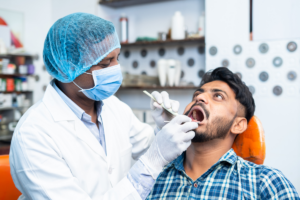
Professional dental cleanings remove plaque and tartar that regular brushing can’t reach. While this process protects your long-term oral health, it can temporarily expose areas that were previously covered by buildup.
Here are the most common reasons for tooth sensitivity after teeth cleaning:
1. Tartar Removal Exposes Tooth Surfaces
Hardened plaque (tartar) sometimes covers small areas of exposed dentin near the gumline. Once removed, those areas become temporarily more reactive to temperature changes.
2. Mild Gum Inflammation
If you had gingivitis or minor gum inflammation before your visit, your gums may feel tender afterward. As your gums tighten and heal, slight sensitivity may occur.
3. Gum Recession
Receding gums expose tooth roots, which don’t have protective enamel. This exposure can make cold drinks and sweet foods feel uncomfortable.
4. Deep Cleaning or Scaling
If you receive a more thorough cleaning due to buildup, you may experience increased sensitive teeth after dentist visit compared to a routine polishing.
The important thing to remember is this: sensitivity typically improves within a few days.
How Long Does Dental Cleaning Sensitivity Last?
For most patients in St. Petersburg, mild sensitivity lasts:
- 24 to 72 hours after routine cleaning
- Up to one week if gum inflammation is present
- Slightly longer after deep scaling procedures
However, if pain persists beyond 10 days or becomes sharp and severe, you should contact your dentist.
Step-by-Step Healing Advice from Creating Smiles Dental
If your teeth feel sensitive after a dental cleaning, follow these practical steps to stay comfortable:
Use a Desensitizing Toothpaste
- Choose toothpaste formulated for sensitivity.
- Brush twice daily with a soft-bristled toothbrush.
- Avoid aggressive brushing, especially near the gumline.
Avoid Extreme Temperatures
- Skip ice-cold drinks for a few days.
- Let hot coffee cool slightly before drinking.
- In Florida’s warm coastal climate, iced beverages are common—but consider room temperature options temporarily.
Rinse with Warm Salt Water
- Mix ½ teaspoon salt in warm water.
- Rinse gently once or twice daily to soothe gum tissue.
Maintain Gentle Oral Hygiene
- Continue brushing and flossing daily.
- Healthy gums heal faster with consistent care.
Stay Hydrated
Living in St. Petersburg means warm weather most of the year. Staying hydrated supports saliva production, which helps protect sensitive teeth.
Why Local Experience Matters
At Creating Smiles Dental, we understand the unique lifestyle of St. Petersburg residents. Between beach days, citrus-rich diets, iced drinks, and active outdoor living, teeth face frequent temperature changes. Our team tailors care plans to protect enamel and prevent long-term sensitivity.
We prioritize patient education so you leave your appointment confident, not confused.
A Real Patient Experience
One patient recently visited our office feeling extremely anxious. She had very sensitive teeth and needed two old fillings replaced. Her nerves were heightened, and she feared discomfort during treatment.
Thanks to Dr. Brayer’s gentle technique and precise numbing approach, her procedure was smooth and pain-free.
Here’s what she shared:
I have literally been coming to this practice for over 40 years ( since Dr. Brayer’s parents started the practice). I travel an hour and a half due to the quality of work and I TRUST them. They never tell me that I need something I don’t need. Today I saw Dr. P Phane to have two very old fillings replaced. My nerves and teeth are very sensitive. I was quite nervous. Due to the Dr.s technique and excellent numbing, I felt NOTHING ! And i was in and out in 45 minutes. Well worth the driving and expertise! I was sad when the Nguyens retired a few years back but the practice is in excellent hands with Dr Brayer and Dr Phane.
This type of feedback reflects our commitment to comfort and transparency in St. Petersburg.
When Sensitivity Is Not Normal
While mild dental cleaning sensitivity is expected, call your dentist if you experience:
- Sharp or throbbing pain
- Swelling or bleeding that worsens
- Sensitivity lasting longer than 10–14 days
- Pain when biting down
These symptoms could indicate underlying decay or gum issues that need attention.
Preventing Future Sensitivity
To reduce the chances of sensitivity after future cleanings:
- Schedule cleanings every six months
- Address gum inflammation early
- Use fluoride toothpaste daily
- Avoid over-brushing
- Discuss fluoride varnishes or sealants with your dentist
Preventive care keeps cleanings gentle and predictable.
Your Trusted Dentist in St. Petersburg, Florida
At Creating Smiles Dental, we combine advanced technology with compassionate care. Dr. Cindy N. Brayer and her team focus on prevention, education, and minimally invasive treatment options.
If you’re experiencing teeth sensitive after dental cleaning, we’re here to help you feel comfortable and informed. Visit our website at to schedule your next appointment.
We proudly serve patients throughout St. Petersburg with personalized dental care designed for long-term health.
Frequently Asked Questions (FAQ)
1. Why are my teeth sensitive after cleaning even though I didn’t have pain before?
Before your cleaning, tartar may have covered sensitive areas near the gumline. Once removed, those exposed areas react to temperature and pressure. This does not mean something went wrong. It simply means your teeth are adjusting to being clean. Sensitivity should decrease within a few days.
2. Is tooth sensitivity after teeth cleaning a sign of damage?
No, professional dental cleanings do not damage enamel. Hygienists use specialized tools designed to remove buildup safely. Sensitivity usually results from inflammation or exposed dentin, not enamel loss.
3. How can I tell if my sensitivity is normal or serious?
Normal sensitivity feels mild and improves daily. It reacts mostly to cold air, cold drinks, or brushing. However, sharp pain, lingering discomfort, or swelling may signal decay or infection. If symptoms persist beyond two weeks, contact your dentist.
4. Should I avoid brushing if my teeth feel sensitive?
No. Continue brushing gently with a soft-bristled toothbrush. Stopping oral hygiene can worsen gum inflammation, which may increase sensitivity. Use a toothpaste designed for sensitive teeth for best results.
5. Does living in St. Petersburg’s warm climate affect sensitivity?
Yes, indirectly. Frequent consumption of iced drinks in Florida’s warm weather can trigger discomfort after cleaning. Switching to lukewarm beverages for a few days helps reduce irritation while your teeth recover.
6. Can fluoride treatment reduce dental cleaning sensitivity?
Yes. Fluoride strengthens enamel and can reduce sensitivity. Many patients benefit from in-office fluoride applications, especially if they have gum recession or enamel wear.
7. Is sensitivity worse after a deep cleaning?
It can be. Deep cleaning removes bacteria from below the gumline. As gums heal and tighten, temporary sensitivity may occur. This usually improves within one to two weeks.
8. How often should I see my dentist to prevent sensitivity issues?
Most patients should visit their dentist every six months. Regular visits prevent heavy tartar buildup, which reduces the likelihood of post-cleaning sensitivity and supports long-term gum health.