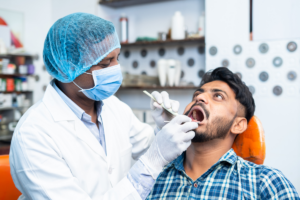
When a tooth is removed, your body starts a healing process that requires a bit of time and patience. Initially, a blood clot forms in the extraction site to protect the bone and nerves underneath.
If you brush too early, you risk disturbing this clot, which could lead to complications like dry socket or infection. So, while brushing is important for overall oral health, it’s equally important to follow the right timing to avoid setting back your recovery.
When Is It Safe to Start Brushing Again?
The First 24 Hours: Try to avoid brushing
For the first 24 hours after your extraction, the most important thing is to let your blood clot form and settle. Brushing during this time can dislodge the clot and delay healing.
Instead of brushing, you can gently rinse your mouth with salt water to keep the area clean. Just be sure not to swish too hard—gentle rinsing is the key.
Days 2 to 3: Avoid the Extraction Site
After the first day, it’s still important to avoid brushing directly over the extraction site. While you can brush the rest of your teeth, be sure to stay clear of the extraction area.
Don’t use any force. Brushing too soon or too vigorously can cause the clot to move or even break apart, and that could lead to painful complications like dry socket. You can also continue rinsing with salt water to help keep the mouth clean.
After the First Week: Time to Ease Back In
Around the one-week mark, you can begin brushing your teeth more normally. However, it’s important to be cautious. Use a soft-bristled toothbrush and brush gently.
Avoid putting pressure on the extraction site, and try to brush around it, not directly on it. You’ll want to use light, circular motions to avoid disturbing the healing tissue. For those first few weeks, keep it gentle and take your time.
Avoid Complications To Protect Your Mouth
During your recovery, there are a few things to keep in mind to avoid complications and ensure that you’re healing properly.
Watch Out for Dry Socket
One of the most common and painful complications is dry socket, which occurs when the blood clot becomes dislodged from the extraction site. This exposes the bone and nerves underneath, leading to severe pain. To avoid dry socket, it’s crucial not to disturb the extraction area during brushing or eating. If you experience sudden or intense pain several days after your extraction, contact your local st petersburg dentist.
Diet Matters Too
What you eat plays a big role in how quickly your mouth heals. Stick to soft foods for the first few days—think mashed potatoes, soup, yogurt, and smoothies. Avoid hot, spicy, or crunchy foods, as these can irritate the extraction site or get stuck in the wound. Eating soft foods not only helps your healing but also makes brushing around the area easier.
Take Your Time and Let Your Mouth Heal Properly
Healing after a tooth extraction takes time, and while you’re eager to get back to your usual routine, it’s essential to take it easy on your mouth. Brushing too soon or too aggressively can slow down your healing or lead to complications. But with the right care, you can keep your mouth clean and healthy as you recover. Be gentle, follow the recommended guidelines, and trust that your body will do the rest.
If you have any questions or need more personalized advice, give us a call at 123 to schedule your consultation with Creating Smiles Dental. We are here to help you through the recovery process so that you can get back to your regular life.