Caring for your baby’s dental health is a crucial step in ensuring their overall well-being. Many parents may not realize how important baby teeth are, but they play a significant role in speech development, proper chewing, and holding space for permanent teeth. Early attention to oral health can set the foundation for a lifetime of healthy habits and smiles.
Baby teeth, or primary teeth, may be temporary, but their impact is lasting. Cavities in baby teeth can lead to pain, difficulty eating, and even infections. These problems can affect your child’s overall development and quality of life. By starting early, you can help your child avoid unnecessary discomfort and build healthy dental habits.
When to Start Oral Care
Good oral care begins before your baby’s first tooth appears. You can clean your baby’s gums using a soft, damp cloth after feedings. This gentle cleaning removes bacteria and prepares their mouth for healthy tooth development.
Once the first tooth comes in, usually around six months, start brushing with a small, soft-bristled toothbrush. Use a smear of fluoride toothpaste about the size of a grain of rice. Make brushing a part of your baby’s routine, doing it twice a day to keep their mouth clean and healthy.
By the time your child turns one, it’s important to schedule their first dental appointment. Early visits are crucial for identifying any potential concerns and receiving guidance on how to care for your baby’s teeth as they grow.
Preventing Tooth Decay in Babies
Tooth decay is one of the most common childhood conditions, but it’s largely preventable. Avoid putting your baby to bed with a bottle of milk or juice, as prolonged exposure to these liquids can lead to cavities. Instead, offer water before bed if needed.
Introduce tooth-friendly habits early. Offer healthy snacks such as fruits, vegetables, and cheese instead of sugary treats. These options not only support good nutrition but also promote oral health.
As more teeth come in, brush them twice a day and ensure they’re clean after meals. Encourage your baby to drink water after eating, as it helps rinse away food particles and reduces the risk of decay.
The Role of Dental Visits
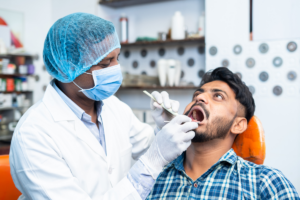
Regular dental visits are an essential part of maintaining your child’s oral health. A dentist can monitor your baby’s dental development, provide preventive treatments like fluoride, and offer personalized tips for at-home care. Early visits help children become comfortable with dental care, making future appointments stress-free.
Creating Smiles Dental prioritizes creating a positive experience for young patients. These early appointments are not just about the teeth—they’re also about helping parents feel confident in caring for their child’s oral health.
Teaching Good Habits as Your Child Grows
As your baby transitions to a toddler and beyond, it’s important to encourage independence while supervising their oral care. Children can usually brush on their own by age seven or eight, but they may need reminders and assistance to ensure they’re brushing effectively.
Flossing should start as soon as your child has two teeth that touch. Teaching proper flossing techniques early will help your child maintain healthy gums and teeth as they grow.
Why Early Care Matters
Preserving your baby’s dental health benefits their physical health, comfort, and confidence. Healthy baby teeth pave the way for strong, properly aligned adult teeth. By addressing dental health early, you’re reducing the risk of future dental issues and creating positive habits for your child.
If you’re seeking a friendly dentist in St. Petersburg to support your child’s oral health, look no further than Creating Smiles Dental. Call us today to schedule your baby’s first appointment to start their journey toward a healthy, beautiful smile.