Picture this: It is a gorgeous, sun-kissed morning here in St. Petersburg, Florida. The breeze is rolling in off Tampa Bay, you are taking a stroll near the North Straub Park waterfront, and you have got a steaming, aromatic cup of craft coffee in your hand. For millions of Americans, this daily ritual is the absolute non-negotiable anchor of the morning routine. Whether you grab a quick cold brew before hitting the bustling Central Arts District or sip a dark roast on your porch while listening to the morning birds, coffee is pure comfort.
But have you ever stopped to wonder what that beloved morning brew is doing to your pearly whites?
As much as we rely on coffee to shake off the morning fog, dental professionals frequently field questions about its long-term impact on oral health. Specifically, people want to know: Is your daily coffee weakening your tooth enamel?
As a trusted dentist in St. Petersburg, we want you to enjoy your favorite beverages without sacrificing the health and integrity of your smile. Let’s dive into the science of coffee, how it interacts with your teeth, and what dentist tips for coffee drinkers can help you keep your smile strong, bright, and resilient for years to come.
Understanding Tooth Armor: What Is Enamel?
Before we look closely at your favorite morning mug, let’s talk about tooth enamel. Enamel is the outermost shell of your teeth, acting as a protective shield for the sensitive inner layers, such as dentin and the tooth pulp.
Astonishingly, tooth enamel is the hardest tissue in the entire human body, even tougher than bone. It has to be! Your teeth endure immense pressure every single day from biting, chewing, grinding, and processing all kinds of foods and drinks.
However, despite its impressive strength, enamel has one major weakness: it cannot regenerate. Unlike bones, which can heal and regrow cells when fractured or damaged, enamel contains no living cells. Once a microscopic layer of enamel is worn away, eroded, or chipped off, it is gone forever. Your body cannot build a brand-new layer on its own.
This means that preserving the enamel you have right now is entirely a game of defense. And unfortunately, your morning coffee might be playing offense against it.
The Culprit: Why Coffee Can Be Hard on Your Teeth
If enamel is so tough, why would coffee pose a threat? The answer comes down to two major chemical characteristics of coffee: acidity and chromogens.
1. The Acid Factor (Low pH Levels)
Coffee is naturally acidic. Depending on the roast, the brewing method, and the origin of the beans, most types of coffee sit at a pH level between 4.8 and 5.1 (pure water sits at a neutral 7). Because anything below 7 is considered acidic, your morning cup falls firmly on the acidic spectrum.
When you drink something acidic, it temporarily softens your tooth enamel. Think of it like a piece of hard candy sitting in warm water; the surface structure loosens up. If you brush your teeth immediately after drinking acidic coffee, the abrasive bristles of your toothbrush can actually scrub away those softened microscopic layers of enamel. Over months and years, this cumulative loss leads to thinning enamel.
2. Chromogens and Deep Staining
While acid weakens the structural armor, chromogens are the pigments that latch onto it. Coffee is packed with intense color compounds called chromogens. Because acidic coffee leaves your enamel slightly porous and vulnerable, these dark pigments easily seep into microscopic grooves and crevices. This is why heavy coffee drinkers often notice a yellowish or brownish tint developing on their teeth over time, even with regular brushing.
Early Warning Signs of Enamel Wear
Enamel erosion doesn’t happen overnight. It is a slow, gradual process that stealthily creeps up on you. If you have been a lifelong coffee lover, how do you know if your enamel is starting to thin out? Keep an eye out for these common warning signs:
- Increased Tooth Sensitivity: As enamel thins, the underlying layer (dentin) becomes exposed. Dentin contains microscopic pathways that lead directly to the nerve of the tooth. If you wince when drinking iced water, eating hot soup, or biting into ice cream, thinning enamel could be the culprit.
- Yellowish Discoloration: As the white outer shield of enamel wears thin, the naturally yellow-hued dentin underneath starts to show through more prominently.
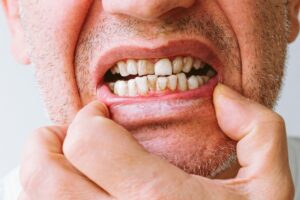
- Changes in Tooth Texture: Healthy teeth have a smooth, slightly glossy sheen. Eroded teeth may look dull, chalky, or develop rough edges along the biting surfaces.
- Increased Vulnerability to Cavities: With less protective armor standing guard, bacteria and acids have an easier time penetrating the tooth, paving the way for tooth decay and cavities.
Practical Dentist Tips for Coffee Drinkers
We are not going to ask you to quit coffee. After all, life is too short to give up the simple joy of a morning latte! Instead of banning coffee from your life, the secret lies in smart consumption habits. Implementing these expert dentist tips for coffee drinkers can drastically minimize the impact of coffee on your teeth:
1. Ditch the Sip-All-Morning Habit
Many people like to nurse a single cup of coffee over two or three hours while working at the desk. From a dental perspective, this is a worst-case scenario. Every single time you take a sip of coffee, your mouth is bathed in acid, triggering a 20-to-30-minute window where your enamel remains softened. Sipping it all morning means your teeth are under a continuous acid attack. Try to enjoy your coffee within a reasonable timeframe- say, 30 minutes- rather than dragging it out all morning.
2. Embrace the “Water Chaser”
Keep a glass of plain tap water right next to your coffee cup. Taking frequent sips of water while you drink your coffee helps wash away lingering acids, neutralizes the pH balance in your mouth, and rinses away dark pigments before they can settle into your teeth.
3. Skip the Sugar and Heavy Syrups
Black coffee is acidic, but the moment you start adding granulated sugar, flavored pumps, and heavy creamers, you introduce a brand-new threat: cavity-causing bacteria. Oral bacteria feed on sugar, converting it into an even harsher acid that accelerates both tooth decay and enamel breakdown. If you love sweet coffee, try tapering down your sugar levels or opt for natural sugar substitutes like xylitol.
4. Use a Straw
It might feel a bit unusual for hot coffee, but using a reusable straw (or paper straw) is a fantastic way to bypass your teeth entirely. By drawing the liquid past your front teeth and straight toward the back of your mouth, you drastically reduce the contact time between the coffee, your enamel, and your visible smile line.
5. Wait Before You Brush
This is one of the most common mistakes people make. Because coffee temporarily softens your enamel, brushing immediately afterward acts like sandpaper on vulnerable teeth. Instead, wait at least 30 to 45 minutes after finishing your coffee before you brush. This gives your saliva, which is packed with natural minerals, time to re-harden and remineralize your enamel. If you want a quick refresh right away, just swish with plain water!
Keeping Your Smile Bright in St. Petersburg, FL
St. Petersburg is a vibrant, active community. From catching a weekend game at Al Lang Stadium to exploring the vibrant murals in the Edge District, you want your smile to look confident and bright in every photo.
While home habits like drinking water and waiting to brush make a massive difference, they are only half the battle. Regular professional dental check-ups are essential to catch early signs of enamel wear, surface staining, and minor decay before they turn into major structural issues. Professional cleanings can safely polish away stubborn surface stains that regular at-home toothpaste simply cannot reach.
If it has been a while since your last check-up, or if you are noticing sensitivity from your daily routine, it is time to consult a professional. Partnering with a dedicated dentist in St. Petersburg ensures that your dental health is actively monitored by professionals who understand your lifestyle.
Ready to Protect Your Smile? Book an Appointment Today!
Your morning coffee brings you joy, but your smile deserves exceptional care, too. You don’t have to choose between your favorite morning ritual and strong, healthy teeth. By pairing smart daily habits with professional dental guidance, you can enjoy the best of both worlds.
If you are ready to give your smile the expert care it deserves, we invite you to visit our dental office right here in the heart of Florida’s Sunshine City. At Creating Smiles Dental, our friendly and experienced team is dedicated to providing comfortable, personalized dental care tailored to your unique lifestyle.
Don’t let enamel wear or stubborn stains dull your confidence. Book an appointment with Creating Smiles Dental today by calling us at 727-328-4246 or visiting our website. Let’s keep your smile healthy, bright, and strong for years to come!
Frequently Asked Questions
1. Does cold brew coffee have less acid than hot coffee?
Generally, yes! Cold brew coffee is brewed using cold water over a much longer extraction period. This process extracts fewer of the acidic oils found in roasted coffee beans, resulting in a smoother, less acidic drink. If you have sensitive enamel or acid reflux, switching from hot drip coffee to cold brew can be much gentler on your teeth.
2. Can professional teeth whitening fix coffee stains?
Yes, absolutely. While surface stains from coffee can make your teeth look dull, professional whitening treatments offered at a dental office can effectively break up these deep chromogen stains and restore a bright, radiant smile.
3. Is tea just as bad for my enamel as coffee?
It depends on the tea! Black teas contain high levels of tannins and chromogens, meaning they can stain teeth even faster than coffee in some cases. Herbal and green teas are generally less staining, though some fruit-based herbal teas can be surprisingly high in acidity.
4. How often should I see a dentist if I am a heavy coffee drinker?
For most coffee drinkers, scheduling routine dental exams and cleanings every six months is the gold standard. This allows your dental team to monitor your enamel health, provide personalized hygiene recommendations, and catch any minor wear and tear early on.