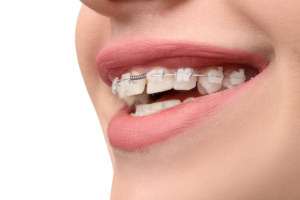
Considering braces to straighten your teeth and improve your smile is a significant decision. However, if you have gum disease, you may wonder if orthodontic treatment is still an option. Gum disease, or periodontal disease, affects the health of your gums and the bones that support your teeth. Understanding the connection between gum disease and braces is crucial before starting any orthodontic treatment.
What Is Gum Disease?
Gum disease is a common condition that affects the tissues surrounding your teeth. It begins as gingivitis, which is the mildest form of gum disease, characterized by red, swollen gums that may bleed when you brush or floss. If left untreated, gingivitis can progress to periodontitis, a more severe form of gum disease. Periodontitis leads to the breakdown of the gum tissue and the bones that hold your teeth in place, which can eventually result in tooth loss.
The primary cause of gum disease is the buildup of plaque, a sticky film of bacteria that forms on your teeth. Poor oral hygiene, smoking, diabetes, and certain medications can increase your risk of developing gum disease. If you have any signs of gum disease, it’s essential to address them before considering braces.
How Gum Disease Affects Orthodontic Treatment
If you have gum disease, it’s important to understand how it can impact your orthodontic treatment. Here are some key factors to consider:
- Compromised Support for Teeth: Gum disease damages the tissues and bones that support your teeth. Braces work by applying pressure to your teeth to move them into the desired position. If your gum disease is untreated, the foundation of your teeth may be compromised, making it difficult for braces to work effectively.
- Increased Risk of Complications: Braces can make it harder to maintain good oral hygiene, as the brackets and wires create additional surfaces for plaque to accumulate. If you already have gum disease, wearing braces can increase the risk of further complications, including worsening of the disease.
- Potential Delays in Treatment: In some cases, orthodontic treatment may need to be delayed until your gum disease is treated and under control. This is because healthy gums are essential for the success of braces. Starting orthodontic treatment with untreated gum disease can lead to poor outcomes and even the loss of teeth.
Treating Gum Disease Before Getting Braces
Before you can get braces, it’s essential to address any gum disease you may have. Here’s how your dentist may approach treatment:
- Deep Cleaning (Scaling and Root Planning): The first step in treating gum disease is usually a deep cleaning procedure called scaling and root planning. This treatment involves removing plaque and tartar from below the gumline and smoothing the root surfaces of the teeth to help the gums reattach. This process helps reduce inflammation and allows the gums to heal.
- Ongoing Maintenance: After the initial treatment, your dentist may recommend regular maintenance cleanings to keep your gums healthy. This may include more frequent dental visits, specialized cleanings, and at-home care instructions to ensure your gum disease does not return.
- Advanced Treatments: In more severe cases of gum disease, additional treatments such as gum surgery or the use of antibiotics may be necessary. Your dentist will work with you to create a treatment plan that addresses your specific needs and prepares your mouth for braces.
Keeping Your Gums Healthy with Braces
Once your gum disease is treated and you’re ready for braces, it’s crucial to maintain excellent oral hygiene throughout your orthodontic treatment. Here are some tips to help keep your gums healthy while wearing braces:
- Thorough Brushing and Flossing: Braces make it more challenging to clean your teeth, but it’s essential to brush and floss thoroughly every day. Use a soft-bristled toothbrush and fluoride toothpaste to clean around your braces. Special tools, such as interdental brushes and floss threaders, can help you clean between your teeth and under the wires.
- Regular Dental Visits: Continue to visit your dentist regularly for checkups and cleanings. Your dentist will monitor your gum health and provide professional cleanings to remove any plaque and tartar buildup.
- Healthy Diet: A diet low in sugary and acidic foods can help prevent plaque buildup and keep your gums healthy. Focus on eating a balanced diet rich in fruits, vegetables, and whole grains to support your overall oral health.
- Use Mouthwash: Antimicrobial mouthwashes can help reduce bacteria in your mouth and support gum health. Rinsing with mouthwash after brushing and flossing can help keep your gums healthy during orthodontic treatment.
Alternatives to Braces
If your gum disease is severe or if braces are not a suitable option for you, there are alternative orthodontic treatments to consider. Clear aligners, such as Invisalign, may be a better option for some patients. These aligners are removable, making it easier to maintain good oral hygiene. However, it’s important to discuss all your options with your dentist to determine the best treatment plan for your specific needs.
Consulting a Periodontal Treatment Specialist
If you’re considering braces and have concerns about gum disease, consulting a specialist who provides periodontal treatment in St. Petersburg can help you make an informed decision. A dentist with expertise in periodontal treatment can evaluate your gum health, recommend appropriate treatment, and guide you through the process of preparing for braces.
Conclusion
In conclusion, while braces can be an effective way to straighten your teeth and improve your smile, it’s essential to address any gum disease before starting treatment. Gum health plays a critical role in the success of orthodontic treatment, and untreated gum disease can lead to complications and poor outcomes. By working closely with your dentist to treat gum disease and maintain excellent oral hygiene, you can achieve a healthy, beautiful smile.
If you’re considering braces or other dental treatments, visit Creating Smiles Dental in St. Petersburg. Our experienced team is dedicated to providing personalized care to help you achieve the smile you’ve always wanted. Contact us today to schedule a consultation and take the first step toward a healthier, more confident smile.