You take a bite of something crunchy and feel a sharp pain shoot through your tooth. It can catch you off guard and leave you wondering what just happened. In many cases, this kind of pain is not something to ignore. This may be a sign that you need help from an emergency dentist. Knowing what this pain means and what to do next can protect your oral health and prevent bigger problems.
This guide will help you understand why sudden tooth pain happens, when it becomes urgent, and how emergency dentistry can help you feel better quickly.
Why Does Tooth Pain Happen After Eating Hard Food?
Hard foods like nuts, ice, or hard candy can put a lot of pressure on your teeth. If a tooth is already weak, even a small bite can cause pain.
Common reasons include:
- A small crack in the tooth
- A loose or damaged filling
- Tooth decay that has weakened the structure
- Gum irritation around the tooth
Sometimes the damage is not visible, but the nerve inside the tooth reacts fast. This is when pain can feel sharp and sudden.
When Is It a Dental Emergency?
Not all tooth pain is an emergency, but some signs mean you should not wait. You may need to see an emergency dentist if you notice:
- Pain that does not go away after a few hours
- Sharp pain when biting or chewing
- Swelling in your gums or face
- A cracked or broken tooth
- Sensitivity that keeps getting worse
These symptoms often point to deeper issues that need quick care. Emergency dentistry focuses on treating these problems before they get worse.
What You Can Do Right Away
Before you visit an emergency dentist, there are a few simple steps you can take at home:
- Rinse your mouth with warm salt water
- Avoid chewing on the painful side
- Stick to soft foods
- Use a cold pack on your cheek if there is swelling
- Keep the area clean
These steps can help manage pain for a short time, but they are not a long-term fix.
How Emergency Dentistry Helps
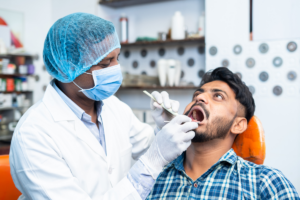
When you visit us for emergency dentistry, our goal is to find the cause of your pain and treat it quickly.
Your dentist may:
- Check for cracks or hidden damage
- Take X-rays to see inside the tooth
- Clean the area if there is an infection
- Repair or protect the tooth
Quick care can stop the pain and prevent more serious problems like infection or tooth loss. Seeing an emergency dentist early often leads to simpler treatment.
A Local Perspective You Can Relate To
If you are in the area, daily life often includes quick meals, busy schedules, and sometimes grabbing hard snacks on the go. This increases the chance of sudden dental issues.
Our clinic, Creating Smiles Dental, is located at 3388 49th Street N, St. Petersburg, FL 33710. It is easy to find, close to well-known spots like Azalea Park and Tyrone Square Mall. After your visit, you can relax at the park or take a short walk to nearby cafés like Kahwa Coffee while a family member waits comfortably.
A Real Patient Story
Nikki came in after feeling pain while eating a crunchy snack. She was nervous and had avoided dental visits for a long time.
Here is what she shared:
“Creating Smiles is the best dentist’s office I have ever been to in my life! From the front desk, to the hygienists, and then the actual dentist, everyone makes you feel warm, special, and looked at as an important individual. I have severe dental anxiety and the sound of the cleanings has caused me to avoid the dentist since COVID. I was worried about being judged. It was the complete opposite experience. They were sympathetic and understanding about everything. They went out of their way to make the cleaning as quiet and comfortable as possible. I left feeling like I made new friends. I highly recommend this office for caring individualized care!” – N. Ryan
Her visit shows that even sudden pain can be handled with care and comfort when you reach out to the right team.
When Should You Call a Dentist?
If your pain starts after eating something hard and does not improve, it is best to call the dentist or dental practice right away. Waiting can lead to more damage or infection.
A quick visit for emergency dentistry can help you avoid long-term problems and get back to your normal routine faster.
Simple Ways to Prevent Future Pain
While not all issues can be avoided, you can lower your risk by:
- Avoid chewing ice or very hard foods
- Do not use your teeth to open packages
- Keep up with regular dental visits
- Brush and floss daily
- Pay attention to early signs of discomfort
These habits help keep your teeth strong and reduce the chance of needing an emergency dentist.
Conclusion
Sudden tooth pain after eating hard food is often a warning sign. It may seem small at first, but it can point to a bigger issue that needs care. Getting help from an emergency dentist at the right time can save your tooth and ease your discomfort.
If you are dealing with this kind of pain, do not wait. Schedule a consultation with Creating Smiles Dental to get the care you need. You can also contact our Dental office for guidance and support. Quick action makes a real difference in protecting your smile.
FAQs on Emergency Dentistry
What should I do right after feeling sudden tooth pain?
Rinse your mouth with warm water, avoid chewing on that side, and monitor the pain. If it continues, call your dentist as soon as possible.
Can a small crack in a tooth heal on its own?
No, a cracked tooth will not heal by itself. It usually requires dental care to prevent further damage.
How do I know if my tooth is cracked?
You may feel pain when biting or notice sensitivity to hot or cold foods. Sometimes the crack is not visible.
Is it safe to wait a few days before seeing a dentist?
If the pain is mild and goes away, you may monitor it. If it stays or worsens, do not wait.
Can hard foods damage healthy teeth?
Yes, even healthy teeth can crack under strong pressure from very hard foods.
Why does my tooth hurt only when I bite down?
This often points to a crack or pressure issue inside the tooth that needs evaluation.
Will the pain go away on its own?
Some pain may fade, but the cause often remains. It is best to have it checked.
Can ignoring tooth pain lead to bigger problems?
Yes, untreated issues can lead to infection, swelling, or more serious dental concerns.