Most people ask this at some point. You brush every day. You floss when you remember. So do you still need to see a dentist that often?
The short answer is yes. But how often depends on your health, habits, and risk level. Let’s break it down in a simple way so you know what’s right for you.
The General Rule Most People Follow
For many adults and kids, a visit every six months works well. This gives your dentist enough time to catch small problems early.
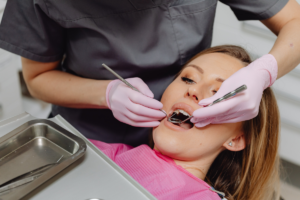
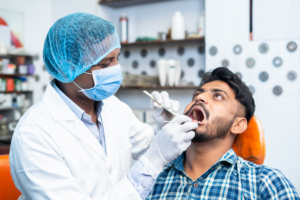
At these visits, your care team will:
- Clean your teeth
- Check for cavities
- Look at your gums
- Take X-rays if needed
If you’ve ever searched for a dentist near me in your area, you’ve likely seen this six-month rule come up again and again. It’s common because it works for most people.
When You May Need to Go More Often
Not everyone fits into the six-month plan. Some people need to see a dentist more often.
You may need extra visits if you have:
- Gum disease
- A history of cavities
- Diabetes
- A weak immune system
- Smoking habits
In these cases, visits every three to four months can help keep things under control.
What Happens If You Wait Too Long?
Skipping visits may seem harmless, but small issues can grow fast.
Here’s what can happen:
- Plaque turns into hard tartar
- Cavities get deeper
- Gum disease gets worse
- You may feel pain or swelling
By the time you notice a problem, it may need more time and care to fix. That’s why your dentist focuses on early checks.
Kids, Teens, and Adults: Does It Change?
Yes, age plays a role.
For Kids
Children should start early. Regular visits help guide tooth growth and build good habits.
For Teens
Teens may need checkups for braces, wisdom teeth, and sports injuries.
For Adults
Adults need regular care to prevent gum issues and tooth loss. Many people only see a dentist when they feel pain, but routine visits are what really protect your smile.
Signs You Should Book Sooner
Even if your next visit is months away, don’t wait if you notice:
- Bleeding gums
- Tooth pain
- Bad breath that won’t go away
- Sensitivity to heat or cold
- Loose teeth
If any of these show up, it’s time to contact a dentist right away.
How Local Lifestyle Can Affect Your Visits
Your daily life in a coastal city like St. Petersburg can impact your dental health more than you think.
- Sugary drinks and snacks are easy to grab on busy days
- Coffee and iced drinks can stain teeth
- Outdoor sports can increase the risk of dental injuries
Because of this, many locals search for a dentist near me to stay ahead of issues and keep their teeth healthy year-round.
Simple Ways to Make Visits Easier
You can make each visit smoother with small steps:
- Brush twice a day
- Floss once daily
- Drink water often
- Limit sugary snacks
- Keep your appointments
These habits help your dentist do less repair work and more prevention.
The Bottom Line
There is no one-size answer, but most people benefit from seeing a dentist every six months. Some may need more care, and that’s okay.
The key is simple. Don’t wait for pain to tell you something is wrong. Stay ahead of it.
If it has been a while, now is a good time to schedule an consultation with Creating Smiles Dental and take that first step. You can also contact our Creating Smiles Dental office to plan your next visit and keep your smile in great shape.
Frequently Asked Questions
1. How often should I get my teeth cleaned?
Most people benefit from a cleaning every six months. This helps remove plaque and tartar that brushing cannot fully clear. If you have gum problems or a history of cavities, your visits may be scheduled every three to four months to keep your mouth stable.
2. Why are regular visits important if I brush and floss daily?
Home care is essential, but it cannot remove hardened tartar or detect hidden issues. Routine checkups help catch cavities, gum disease, and early signs of oral health concerns before they turn into bigger problems that need more time and cost to fix.
3. What happens during a routine dental visit?
A typical visit includes a full cleaning to remove buildup, a close exam of your teeth and gums, and X-rays if needed. The goal is to check for decay, gum health, and any early warning signs that may not be visible or painful yet.
4. How do I know if I need to visit sooner than planned?
You should not wait if you notice bleeding gums, tooth pain, swelling, bad breath that does not go away, or sensitivity to hot and cold. These signs often point to problems that need early care to prevent them from getting worse.
5. Do dental visit needs change as I get older?
Yes. Children need visits to guide proper growth and prevent early decay. Teens may need care for alignment or wisdom teeth. Adults need to focus more on gum health and preventing tooth loss, which becomes more common with age.
6. Can lifestyle habits affect how often I should visit?
Yes, daily habits play a big role. Frequent snacking, sugary drinks, smoking, and even stress can increase your risk of dental issues. People with these habits often need more frequent visits to keep their oral health under control.