Worried that professional whitening could lead to permanent sensitivity? You’re not alone. Many adults in St. Petersburg enjoy coffee after a beach walk or a glass of wine at dinner—and when they consider brightening their smile, they hesitate. Stories of lingering tooth pain or nerve damage from whitening gels and strips can make anyone pause.
The reality is reassuring: when supervised properly, whitening is considered safe. Temporary sensitivity can occur, but long-term nerve damage is extremely rare—especially under the care of an experienced dentist who evaluates your oral health first.
Meet Dr. Cindy Brayer, Your St. Pete Dentist for Safe Whitening

Cindy N. Brayer, DMD, has been practicing since 1999 and founded Creating Smiles Dental in 2007 with a commitment to comfort-focused, prevention-based care. A University of Florida graduate with honors and residency training at the VA in Gainesville, she has advanced expertise in cosmetic dentistry, prosthodontics, endodontics, periodontics, and laser dentistry. Her continued education and recognitions—including Associate Fellowship in Laser Dentistry and multiple patient-voted awards—reflect a dedication to both safety and results.
Patients appreciate that Dr. Brayer takes time to explain every option clearly. If sensitivity or nerve concerns arise, she evaluates enamel health, gum condition, and previous restorations before recommending treatment. This thoughtful approach ensures whitening enhances your smile without compromising comfort.
If you’re considering whitening or experiencing sensitivity, schedule a consultation at Creating Smiles Dental in St. Petersburg to receive personalized guidance and safe, comfortable care tailored to your smile.
Understanding Teeth Whitening Sensitivity
To understand sensitivity, it helps to know how whitening works. Whitening agents penetrate the enamel—the outer protective layer of the tooth—and break down stain molecules beneath the surface.
Temporary sensitivity typically happens because:
-
Enamel is naturally thin in some individuals
-
Dentin (the layer under enamel) becomes more exposed
-
Whitening agents temporarily open microscopic pores in enamel
-
Gums are irritated by poorly fitted trays or strips
This sensitivity often feels like a quick “zing” when drinking something hot or cold. For most patients, it resolves within a few days.
Importantly, sensitivity does not automatically mean damage. It usually reflects temporary stimulation of the nerve inside the tooth—not permanent harm.
Does Professional Whitening Cause Nerve Damage?
True nerve damage from whitening is extremely uncommon. The pulp—the inner tissue containing nerves and blood vessels—is protected by enamel and dentin. When whitening is performed correctly and under supervision, products are formulated to stay within safe concentration ranges.
Problems are more likely when:
-
Over-the-counter strips are overused
-
Whitening gels are applied too frequently
-
Existing cavities or gum recession are ignored
-
Ill-fitting trays allow chemicals to contact gums
That’s why beginning with a consultation at a trusted dentist’s office matters. A proper exam ensures there are no untreated cavities, gum disease, or cracked fillings that could increase sensitivity risk.
Safe Whitening Practices St. Pete Dentists Recommend
1. Start with a Comprehensive Dental Exam
Before whitening, your provider evaluates:
-
Enamel thickness
-
Gum health
-
Existing crowns or veneers
-
Signs of decay
This step is essential. Whitening over untreated dental issues can intensify discomfort. At Creating Smiles Dental, prevention-based care means ensuring your smile is healthy before cosmetic enhancements begin.
2. Choose Custom Trays Over OTC Strips
Over-the-counter strips may seem convenient, but they are not customized. Poor fit increases gum irritation and uneven whitening.
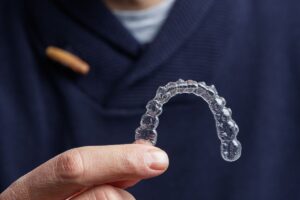
Professional teeth whitening uses custom trays designed specifically for your smile. This ensures even gel distribution and reduced gum contact—two major factors in minimizing sensitivity.
3. Use Dentist-Strength Gels with Care
Professional-strength gels are effective, but they are also controlled. Instructions on wear time and frequency are personalized.
Unlike store-bought kits that may encourage repeated use, your St. Petersburg dentist monitors progress and adjusts as needed. This prevents overexposure and protects enamel integrity.
4. Follow Post-Treatment Sensitivity Tips
After whitening, patients may be advised to:
-
Use desensitizing toothpaste
-
Avoid extremely hot or cold foods temporarily
-
Limit staining beverages for a short period
-
Maintain consistent brushing and flossing
Small adjustments—like skipping iced drinks after a downtown St. Pete coffee stop—can ease short-term discomfort.
5. Pair Whitening with Protective Treatments
In some cases, fluoride or desensitizing treatments are recommended to strengthen enamel. Patients participating in preventive programs or even the 30-Day Flossing Challenge often notice improved gum health, which also reduces post-whitening irritation.
A Real St. Pete Experience: From Concern to Confidence
A couple who recently moved to St. Petersburg tried over-the-counter whitening strips shortly after settling in. After a few weeks, they noticed lingering sensitivity and feared they had caused permanent nerve damage.
During a consultation, Dr. Brayer assessed their enamel and explained that overuse of strong OTC strips likely triggered temporary nerve irritation. She recommended pausing treatment, incorporating desensitizing care, and later transitioning to professionally supervised whitening with custom trays.
Within weeks, sensitivity resolved—and they achieved brighter smiles comfortably.
They later shared:
“My husband and I went to 4 different dentists after moving to St. Pete before we found the quality care of Dr Brayer. Dr. Brayer is skilled, consultative (she explains exactly what she’s doing and what your options are), and patient. While other dentists in the area felt rushed, dismissive, and embraced a “good enough” mentality, Dr. Brayer clearly takes pride in her work and patient relationships. I trust her judgement and advice wholeheartedly. The office itself is immaculate and the staff is so friendly and welcoming. We are so grateful to have found Dr. Brayer and we feel one step closer to feeling at home in St Pete!..”– A. Brillaud
Consultative care makes the difference between unnecessary worry and confident results.
When to Seek Guidance
If sensitivity lasts more than a few days, feels sharp and persistent, or interferes with daily eating and drinking, a professional evaluation is wise. Long-term nerve damage is rare, but ruling out cavities, cracks, or gum recession ensures peace of mind.
For residents of St. Petersburg balancing busy schedules, whitening consultations can be incorporated into routine dental exams—making safety convenient and straightforward.
If whitening worries persist, a St. Petersburg dentist evaluation ensures safe, lasting results tailored to your smile.
Frequently Asked Questions
1. Is teeth whitening sensitivity permanent?
No. Most whitening-related sensitivity is temporary and resolves within days. Persistent discomfort should be evaluated by a dentist to rule out other causes.
2. Can whitening damage tooth nerves?
When supervised professionally, whitening does not typically cause nerve damage. Overuse of high-concentration OTC products increases risk of irritation, not permanent harm.
3. How do dentists prevent whitening side effects?
A dentist performs a comprehensive exam, uses custom trays, controls gel concentration, and may recommend desensitizing treatments before or after whitening.
4. When should I see a dentist before whitening?
If you have cavities, gum recession, crowns, or previous sensitivity, schedule an evaluation first. A dentist ensures your teeth are healthy enough for cosmetic treatment.
5. What if I have crowns—can I still whiten?
Whitening does not change the color of crowns or veneers. Your dentist can discuss options to maintain a balanced, natural-looking smile.