Accidents happen, and sometimes they result in something as unexpected as a knocked-out tooth. Whether you’re enjoying a day out at the beautiful beaches or taking a stroll through the local art district, a sudden injury can strike without warning. In such cases, it’s important to know how to react. The good news is, depending on the situation, a knocked-out tooth can often be saved if you act quickly. Here’s everything you need to know about reattaching a tooth and how to handle the situation with care.
If you’re in need of urgent dental care, the team at Creating Smiles Dental is here to help. Dr. Cindy Brayer and her staff are ready to assist you with emergencies, ensuring that your smile stays healthy and intact. If you’ve experienced a tooth injury, don’t hesitate to contact us or schedule an appointment for expert care.
Can a Knocked-Out Tooth Be Reattached?
A knocked-out tooth, also known as an avulsed tooth, can be a shocking experience, especially when it happens unexpectedly. Whether you’re playing a game of beach volleyball at Treasure Island or out exploring the local parks, injuries can happen. If a tooth is knocked out, there’s a chance it can be reattached if you act fast and seek professional help from an emergency dentist in St. Petersburg.
When it comes to saving a knocked-out tooth, time is crucial. If you can get to a dentist quickly, the chances of reattaching the tooth successfully. It’s important to stay calm and follow the proper steps immediately to preserve the tooth.
Immediate Steps to Take When a Tooth Is Knocked Out
In the heat of the moment, it’s easy to panic. But by acting quickly, you can increase your chances of saving your tooth. Here’s a simple step-by-step guide on what to do:
- Find the Tooth: If a tooth is knocked out during a game at a local park or on a day out by the water, first try to locate the tooth. Always handle the tooth by the crown (the chewing surface), not the root.
- Rinse the Tooth Gently: If the tooth is dirty, clean it gently by rinsing with water. Avoid scrubbing or using soap, as this can damage the roots.
- Keep the Tooth Moist: The most important thing is to keep the tooth from drying out. If possible, place it in a container of milk or your own saliva. If you’re close to a café or local eatery like the popular Sunken Gardens café, you can even ask for some milk to keep the tooth moist.
- Head to Your Dentist: Whether you’re near the local pier or grabbing a bite at your favorite spot downtown, the next step is to get to a dentist as soon as possible. The sooner you act, the better the chances of saving the tooth.
While St. Pete’s vibrant community is always welcoming and busy, it’s crucial to seek help quickly. The sooner you visit an emergency dentist, the better the chances of successfully reattaching the tooth.
Can a Tooth Be Reattached After Several Hours?
It’s important to understand that while you may have a bit of time to get to the dentist, waiting too long can make it harder for the tooth to be reattached. Ideally, the tooth should be placed back in its socket within an hour of being knocked out for the best chance of success.
However, if a few hours have passed, your dentist may still be able to help, though the chances of success decrease the longer the tooth has been out of the socket. In cases where the tooth can’t be reattached, options like implants or bridges can be discussed.
In a community like ours, where everyone stays active and on the go, it’s not unusual for accidents to happen during sports events, family gatherings at local parks, or outdoor activities. But remember, quick action is the key to improving the chances of saving your tooth.
What to Expect During the Reattachment Process?
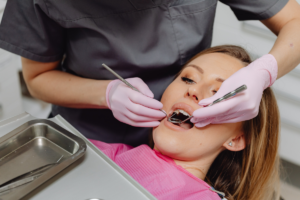
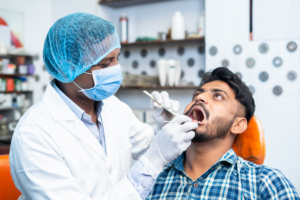
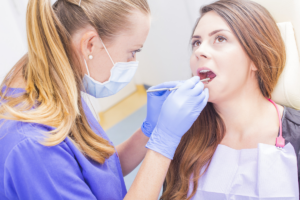
When you reach the dentist’s office, your dentist will carefully assess the situation. If the tooth is still viable, they will take steps to clean and reinsert it into its original socket. The procedure typically involves:
- Cleaning the Tooth and Socket: The dentist will clean the tooth and the socket to remove any debris or bacteria, making it easier for the tooth to reattach.
- Reinserting the Tooth: The tooth is carefully placed back into the socket, and your dentist may secure it with a splint to hold it in place for a few days while the area heals.
- Follow-Up Appointments: Depending on the severity of the injury and how well the tooth is reattached, you may be asked to come back for follow-up visits to monitor healing.
For those of us who enjoy the outdoor lifestyle or spend time near the coast, having quick access to a trusted dental provider is key. Whether you’re enjoying a day at the Tropicana Field or simply exploring the local beaches, knowing how to handle a dental emergency can make all the difference.
How Long Can You Wait to Reattach a Knocked-Out Tooth?
In the case of a knocked-out tooth, acting quickly is crucial. Ideally, you want to get to the dentist within the first 30 minutes to an hour. The longer you wait, the less likely it is that the tooth will be successfully reattached. However, even if only a few hours have passed, it’s worth seeking professional help right away.
In a community like ours, where everyone is always on the go, accidents can happen unexpectedly, whether you’re attending a festival, running errands, or enjoying a local restaurant. That’s why it’s essential to have a trusted emergency dentist in St. Petersburg you can rely on, ready to help when you need it most.
What if the Tooth Can’t Be Reattached?
Sometimes, despite your best efforts, a tooth may not be able to be reattached. If this happens, don’t worry, your dentist has other solutions available. Implants, bridges, or dentures are all options that can help restore your smile.
The good news is, whether you’re exploring the local shops along Central Avenue or enjoying the laid-back lifestyle of our coastal city, it’s possible to find a dental solution that fits your lifestyle and needs. So even if your tooth can’t be reattached, you still have options to maintain your smile.
Take Action Fast for the Best Outcome
Dealing with a knocked-out tooth can be frightening, but remember that quick action can save your tooth and your smile. Whether you’re out at a local park, attending a community event, or enjoying the natural beauty of our area, it’s important to know what to do in case of a dental emergency. If you’ve had a tooth knocked out, stay calm, keep the tooth moist, and visit your dentist as soon as possible to increase your chances of saving it.
When a dental emergency happens, Creating Smiles Dental is here for you. Don’t hesitate to reach out for the care you need to protect your smile. We’re proud to serve the local community and are committed to helping you through any dental emergency.
Frequently Asked Questions
What steps should I take if I cannot locate the knocked-out tooth?
If you can’t find the tooth, don’t worry. Even if it’s lost, there are other options like implants or bridges that your dentist can help you explore.
Is it possible to save a knocked-out tooth if several hours have passed?
While it’s more difficult to save a tooth after several hours, there may still be a chance. A lot depends on how the tooth was handled.
How soon should I visit the dentist after a tooth is knocked out?
It’s best to visit the dentist within the first hour for the best chance of saving the tooth. Quick action is key.
Can I clean the knocked-out tooth with soap?
No, avoid using soap. Gently rinse the tooth with water and avoid scrubbing to preserve the root.
What happens if the tooth can’t be reattached?
If reattachment isn’t possible, your dentist will discuss alternatives such as implants or bridges to restore your smile.
How does a dentist reattach a knocked-out tooth?
The dentist will clean the area and carefully reinsert the tooth. A splint may be used to hold it in place while it heals.