If you’ve ever felt that sudden jolt of pain when sipping a cold drink, you’re probably wondering what’s causing it. That sudden discomfort can be unsettling and even worrying, leaving you to wonder if something’s wrong with your teeth. While occasional sensitivity is common, persistent pain when drinking cold liquids could be a sign that your teeth need some extra attention.
There are a few reasons why your teeth might hurt when exposed to cold water. In this blog, we’ll explain what causes this discomfort and how to manage it.
What Causes Tooth Sensitivity to Cold Water?
Tooth sensitivity occurs when the protective enamel on your teeth wears down, exposing the softer tissue beneath called the dentin. The dentin is full of tiny nerve endings that, when exposed, can become hypersensitive to temperature changes, like that cold sip of water. The sensation you feel is often a quick, sharp pain that can linger for a few moments.
There are several factors that contribute to tooth sensitivity to cold, and it’s important to pinpoint the cause in order to effectively manage it. Here are a few common reasons why this happens:
1. Worn-Out Enamel
Enamel is the hard, outer layer of your teeth that serves as your body’s natural protection against temperature changes. However, over time, enamel can wear down due to a variety of factors like acidic foods, brushing too hard, or grinding your teeth. Sensitivity to cold occurs when the protective enamel wears away, exposing the underlying dentin.
2. Gum Recession
To avoid exposing the root surfaces of your teeth, it’s important to prevent gum recession, which can be a result of aging, gum disease, or aggressive brushing. Since the roots don’t have enamel protection, they’re more vulnerable to temperature changes, leading to discomfort when drinking cold liquids.
3. Tooth Decay
If you have a cavity or decay in your tooth, it can cause sensitivity. The decay eats away at the tooth’s structure, leaving it more susceptible to temperature extremes. In some cases, the tooth can also become cracked or fractured, which may contribute to the pain.
4. Recent Dental Work
If you’ve recently had dental treatments, such as a filling or whitening, it’s not uncommon to experience heightened sensitivity afterward. The tooth might still be adjusting to the new restoration, and the nerves may react more intensely to temperature changes for a little while.
5. Bruxism (Teeth Grinding)
Some people unknowingly grind their teeth while sleeping, a condition known as bruxism. Grinding can wear down enamel and cause microfractures in the teeth, both of which can increase sensitivity to cold temperatures.
Can I Prevent My Teeth from Hurting with Cold Water?
In many cases, tooth sensitivity can be reduced and treatable. There are a few steps you can take to protect your teeth and minimize discomfort when drinking cold liquids:
1. Use a Soft-Bristled Toothbrush
Brushing too hard with a hard-bristled toothbrush can further wear down enamel and irritate your gums. Switch to a soft-bristled toothbrush, and be gentle when brushing. Also, try brushing in a circular motion rather than back-and-forth scrubbing, which can cause additional damage.
2. Switch to a Toothpaste for Sensitive Teeth
To provide relief from discomfort, sensitive toothpastes use compounds that block the pathways leading to your nerves. These toothpastes can help you manage cold sensitivity on a daily basis.
3. Protect Your Teeth from Grinding
If you grind your teeth, especially at night, talk to your dentist about getting a night guard. This simple appliance will protect your teeth from the wear and tear caused by grinding and help prevent future sensitivity.
4. Be Mindful of Your Diet
Avoid acidic foods and drinks (like citrus fruits, soda, and vinegar) that can erode enamel over time. When drinking cold beverages, try sipping slowly rather than taking large gulps, which can create sudden temperature shocks.
5. Stay On Top of Regular Check-Ups
Routine dental exams are essential for detecting issues like cavities or gum recession early, before they turn into more serious problems. Your dentist can recommend treatments like fluoride varnishes, which help strengthen enamel and reduce sensitivity.
When to See Your Dentist
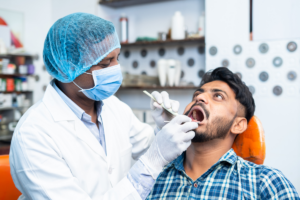
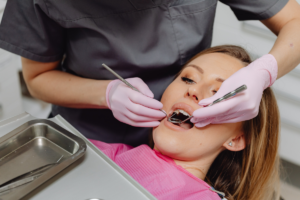
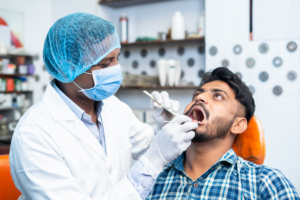
If your sensitivity to cold water persists or gets worse over time, it’s a good idea to visit your dentist. They can perform a thorough examination to determine the underlying cause of your tooth pain and recommend appropriate treatments.
For example, if you have cavities, a filling or more extensive treatment may be necessary. If gum recession is the issue, your dentist may suggest a treatment plan to restore gum health. Sometimes, a deep cleaning or fluoride treatment can help with sensitivity as well.
Is Your Tooth Hurting? Get Right Care From Creating Smile Dental In St. Petersburg
If your tooth hurts when drinking cold water—it’s not something you should ignore. Whether it’s a sharp jolt or a lingering ache, Creating Smiles Dental is here to help. Contact us today to schedule a consultation, and let us help you understand what’s causing your discomfort and work with you to create a treatment plan that fits your needs.
Book your appointment and visit our dental office conveniently located at 3388 49th St. N. St. Petersburg, FL 33710.
Frequently Asked Questions
1. Why do my teeth hurt when drinking cold water?
Tooth pain when drinking cold water is often caused by exposed dentin or weakened enamel. This exposure can occur due to factors like gum recession, tooth decay, or brushing too hard. It’s your tooth’s way of reacting to sudden temperature changes. If the pain is persistent, it’s best to consult your dentist to identify the cause.
2. Can tooth sensitivity be fixed?
Yes, in most cases, tooth sensitivity can be managed or even reversed with the right care. Using desensitizing toothpaste, switching to a softer toothbrush, or addressing any underlying dental issues like cavities or gum recession can help alleviate the discomfort. Your dentist may also recommend fluoride treatments or other solutions to strengthen your enamel.
3. How can I prevent my teeth from becoming sensitive to cold water?
To prevent sensitivity, practice good oral hygiene by brushing gently with a soft-bristled toothbrush and using toothpaste designed for sensitive teeth. Avoid acidic foods and drinks, and consider using a night guard if you grind your teeth. Regular dental check-ups are also key to catching any issues early.
4. When should I see a dentist about my tooth sensitivity?
If sensitivity to cold water persists for more than a few days or becomes more intense, it’s a good idea to see a dentist. Ongoing pain could indicate cavities, gum issues, or enamel erosion that may require professional treatment.