A knocked-out tooth is one of the most alarming dental emergencies you can face but here’s something most people don’t know: if you act within 30 minutes, there’s a strong chance your tooth can be saved.
Whether it happened during a sports collision, a fall, or an unexpected accident, a knocked-out tooth (called an avulsed tooth in dental terms) is a true time-sensitive emergency. Every minute matters. The good news? With the right steps, you can significantly improve the odds of saving your natural tooth before you even reach the dentist’s chair.
This guide walks you through exactly what to do and what not to do from the moment the tooth comes out.
What Is a Knocked-Out Tooth and Why Does Time Matter?
When a permanent tooth is completely displaced from its socket, the tiny ligament fibres connecting the tooth root to the jawbone begin to dry out and die almost immediately. These fibers are what allow the tooth to reattach if placed back properly.
Studies show that teeth replanted within 5 minutes have the highest success rates. After 60 minutes out of the socket, the chance of successful reattachment drops dramatically.
Bottom line: do not wait. Treat this like the emergency it is.
Step-by-Step: What to Do If a Tooth Gets Knocked Out
Step 1: Find the Tooth and Handle It Carefully
Pick up the tooth but only by the crown (the white part you normally see). Do not touch the root. The root contains those delicate ligament fibers, and even the oils from your fingertips can damage them.
If the tooth has fallen on a dirty surface, a gentle rinse is fine but do not scrub it, wrap it in tissue, or let it dry out.
Step 2: Rinse Gently If Dirty
If there is visible dirt on the tooth, rinse it briefly under cool running water for no more than 10 seconds. Do not use soap, alcohol, hydrogen peroxide, or any cleaning agents. Do not dry it. Do not wrap it.
Step 3: Try to Reinsert the Tooth Into the Socket
This step feels counterintuitive, but it is often the best option for a permanent adult tooth.
- Position the tooth correctly (make sure it’s facing the right way)
- Gently push it back into the empty socket using your fingers or by biting down slowly on a clean cloth
- Hold it in place with gentle pressure
If it doesn’t slide back in easily, do not force it. Move immediately to Step 4.
⚠️ Important: Do NOT attempt to reinsert a knocked-out baby (primary) tooth. For children under 12, skip to storage and call your dentist right away.
Step 4: Keep the Tooth Moist at All Times
If you cannot reinsert the tooth, keeping it moist is the single most critical thing you can do. Here are your storage options, ranked best to worst:
- Back in the mouth tuck it between your cheek and gum (adults only; not safe for young children who may swallow it)
- Milk the best external storage option; its pH and proteins help preserve the root cells
- Saline solution a close second if milk isn’t available
- Emergency tooth preservation kit products like Save-A-Tooth are excellent if you have one on hand
- Water a last resort; better than nothing, but not ideal for extended periods
Never store the tooth in a paper towel, tissue, or let it air dry. This is one of the most common mistakes people make, and it can make the tooth unsalvageable.
Step 5: Get to a Dentist Within 30 Minutes
Call your dentist immediately and tell them you have a knocked-out tooth. Most dental offices will prioritize you as an emergency patient. If your regular dentist is unavailable, head to the nearest emergency dental clinic or urgent care dental provider.
At Creating Smiles Dental in St. Petersburg, FL 33710, we treat dental emergencies with the urgency they deserve. If you or a loved one experiences a knocked-out tooth, call us right away so we can prepare for your arrival and give your tooth the best chance of survival.
What to Expect at the Dentist
Once you arrive, your dentist will:
- Evaluate the tooth and socket for damage
- Clean the area carefully
- Attempt to reinsert and splint the tooth if it’s viable
- Take X-rays to assess surrounding bone and root structure
- Discuss follow-up care, which may include a root canal in the weeks ahead
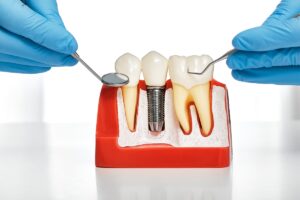
In cases where reinsertion is not possible, your dentist will explain replacement options such as dental implants or bridges.
Common Mistakes That Can Cost You Your Tooth
Avoid these errors in the heat of the moment:
- Scrubbing or cleaning the root this destroys the ligament fibers
- Storing the tooth in a dry cloth or tissue drying kills the cells needed for reattachment
- Waiting too long delays of more than an hour significantly reduce success rates
- Assuming it can wait until tomorrow it absolutely cannot
- Reinserting a baby tooth this can damage the developing permanent tooth underneath
What If It’s a Child’s Baby Tooth?
If a baby tooth is knocked out, do not reinsert it. Reinserting a primary tooth can interfere with the permanent tooth growing beneath it. Instead, keep the child calm, apply gentle pressure if there’s bleeding, and contact your pediatric or family dentist immediately. They’ll advise on next steps and monitor the area as the permanent tooth develops.
Protecting Your Smile Going Forward
Once your emergency is handled, your dentist may recommend a few preventive strategies:
- Custom-fitted mouthguards for athletes and active individuals
- Regular checkups to monitor the health of the reimplanted tooth
- Follow-up X-rays to track root resorption over time
Prevention is always the best strategy. A well-fitted sports mouthguard can reduce the risk of knocked-out teeth by up to 60 times compared to playing without one.
Don’t Wait: Your Tooth’s Survival Depends on Speed
A knocked-out tooth is frightening, but it doesn’t have to be permanent. The steps above acting fast, keeping the tooth moist, and reaching a dentist within 30 minutes can genuinely mean the difference between saving and losing your natural tooth.
At Creating Smiles Dental, located in St. Petersburg, FL 33710, our team is experienced in handling dental emergencies with care and urgency. We’re here to help you through one of dentistry’s most stressful moments.
Schedule your appointment today or call us immediately if you’re experiencing a dental emergency. Your smile is worth saving and the clock is ticking.
Questions Patients Often Ask About Knocked-Out Teeth
Can a knocked-out tooth really be saved?
Yes in many cases, a knocked-out permanent tooth can be successfully reinserted and saved, especially if you act within the first 30 minutes. The key factors are keeping the tooth moist, avoiding damage to the root, and getting to a dentist as quickly as possible.
What if I can’t get to a dentist within 30 minutes?
Try your best to minimize time outside the socket and keep the tooth stored in milk or held inside your cheek. Teeth reimplanted between 30 and 60 minutes still have a reasonable chance of success. Beyond 60 minutes, outcomes decline significantly but still go to your dentist, as they’ll assess every option available.
Is it safe to put the tooth back in myself?
For adults, yes gently reinserting the tooth into the socket is often the best first step if you’re comfortable doing so. Make sure it’s facing the right direction and don’t force it. This keeps the root moist and in the ideal environment while you get to the dentist.
Will I need a root canal after a knocked-out tooth?
Quite often, yes. When a tooth is knocked out, the nerve inside the root is usually severed. Your dentist will monitor the tooth closely and may recommend a root canal treatment in the weeks following reimplantation to prevent infection and preserve the tooth long-term.
What if the tooth breaks or only partially comes out?
A partially displaced or fractured tooth is a different situation. Do not try to pull it out. Instead, gently rinse your mouth with warm water, apply a cold compress to reduce swelling, and get to your dentist immediately. Save any broken pieces in milk in case they can be used in the repair.
How can I prevent a knocked-out tooth in the future?
The most effective prevention is wearing a custom-fitted mouthguard during contact sports or any activity with a risk of facial impact. Over-the-counter options offer some protection, but a dentist-made guard fits better and provides superior coverage. Talk to your dentist at Creating Smiles Dental about getting one made.