Tooth sensitivity can significantly impact your daily routine. Whether triggered by cold drinks or brushing, it is a common oral issue affecting teens, adults, and seniors.
As a resident in St. Petersburg, knowing the causes and different treatment options available can help you protect your smile and restore dental comfort.
This guide explores how tooth sensitivity occurs, how to manage it properly, and various professional tips and at-home strategies that can help.
What Causes Tooth Sensitivity?
Understanding the root causes of this dental problem helps you take the proper steps. Tooth sensitivity typically arises when the underlying layer of your tooth, called dentin, becomes exposed. It can occur due to enamel erosion or gum recession. Once the inner layer is exposed, nerves inside the tooth respond painfully to hot, cold, sweet, or acidic items.
Primary Reasons Of Sensitivity Include-
- Overbrushing or using hard-bristled toothbrushes
- Gum disease or recession
- Acidic foods and beverages
- Tooth grinding or clenching
- Dental cavities or worn-out fillings
- Recent dental treatments, if any
What Are The Professional Treatments For Reducing Tooth Sensitivity?
For getting long-term relief, professional care is crucial.
-
Desensitizing Toothpaste
Using toothpaste containing potassium nitrate or stannous fluoride reduces nerve sensitivity over time.
-
Fluoride Varnish or Gel
Dental practitioners may apply professional-strength fluoride to strengthen the enamel and reduce the nerve exposure.
-
Dental Sealants Or Bonding
For areas of exposed dentin, a thin layer of resin material is applied to protect the tooth from irritating agents.
-
Gum Grafting
If gum recession is the reason, the grafting procedure can cover the exposed roots and reduce discomfort.
-
Addressing Underlying Conditions
Your dental care professionals may recommend fillings, crowns, or treatment options to treat gum disease if it contributes to sensitivity.
What You Can Do To Treat Tooth Sensitivity At-Home
Gentle, at-home treatments can also play a crucial role in reducing sensitivity. While professional oral care is most effective, certain natural solutions can provide the proper support-
- Salt Water Rinse- It helps to soothe inflamed gums and reduce bacteria.
- Clove Oil- It is known for its analgesic properties. Apply sparingly for temporary relief.
- Coconut oil Pulling– may reduce harmful bacteria linked with gum sensitivity.
- Aloe Vera– It can help soothe gum irritation when used in the right way
- Green Tea Rinse– Naturally strengthens the enamel and promotes dental hygiene.
These home remedies should complement but not replace the effectiveness of dental guidance.
When Should You Seek Help From A Dentist?
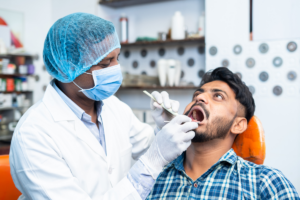
If the symptoms persist or worsen over time, it is time to consult with a professional.
- Sensitivity affects the ability to eat and drink in a comfortable manner
- Pain lasts longer than a week despite using a sensitive toothpaste
- You notice visible cracks or damage to the tooth
- Gums appear to be receding, red, or inflamed
Immediate attention prevents worsening of the signs and ensures that your teeth are protected.
You May Experience Tooth Sensitivity After Teeth Whitening
Many patients experience sensitivity or temporary discomfort following the whitening treatment. Sensitivity after bleaching is common and short-lived. Whitening agents open the microscopic channels in the enamel, temporarily increasing sensitivity to temperature changes and food items.
To manage this-
- You can use desensitizing toothpaste before and after the whitening procedure.
- Avoid cold or hot beverages for 24-48 hours
- Choose the professional bleaching treatment with a low concentration
- Reduce the frequency of whitening sessions
How Can You Prevent Tooth Sensitivity from Developing?
Preventive care is the primary key to protecting the enamel and avoiding further nerve exposure. To maintain strong, healthy teeth and prevent any further complications, follow these strategies-
- Brush gently using a soft-bristled toothbrush.
- Limit intake of acidic or sugary food
- Use fluoride toothpaste daily
- Wear a mouthguard if you grind your teeth at night
- Schedule routine oral cleaning and exams
- Avoid overuse of whitening products or DIY kits
Prevention begins with awareness and regular dental visits to check early symptoms.
Restore Your Dental Comfort in St. Petersburg, FL
Tooth sensitivity can be treated and is often preventable with the proper care. From enamel protection to several gum treatments, solutions are available based on the cause and severity of symptoms. If you live in St Petersburg and are looking for a dental office for professional evaluation, Creating Smiles Dental is here for you.
We offer personalized, effective treatment for tooth sensitivity to restore your comfort. For personalized care, contact us to know more about our services.