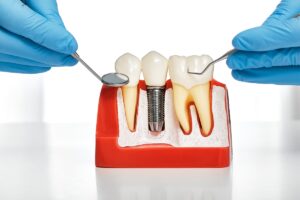
If you’ve been told you need a dental implant or you’re exploring options to replace a missing tooth you’ve probably come across two very different approaches: traditional implant surgery and the newer, technology-driven computer-guided implants method.
Both can deliver life-changing results. But they’re not the same experience. Understanding the differences can help you walk into your consultation at Creating Smiles Dental feeling informed, confident, and ready to ask the right questions.
What Is a Traditional Dental Implant Procedure?
Traditional dental implant surgery has been the gold standard in tooth replacement for decades and for good reason. It’s a well-established, clinically proven approach with a long track record of success.
In a traditional procedure, the oral surgeon or implant dentist relies on pre-operative X-rays, physical examination, and clinical experience to determine where to place the implant. A small incision is made in the gum tissue, and the titanium implant post is carefully inserted into the jawbone.
Key characteristics of traditional implant placement:
- Relies heavily on the clinician’s skill and tactile judgment
- Requires incisions and sutures in most cases
- Healing time typically ranges from 3 to 6 months
- Multiple follow-up visits are generally needed
- Still highly effective, especially for straightforward cases
For patients with good bone density and uncomplicated anatomy, traditional implants remain an excellent option.
What Are Computer-Guided Dental Implants?
Computer-guided implant surgery sometimes called guided implant placement or computer-assisted surgery takes precision to a new level. The process begins long before you sit in the dental chair.
Using 3D cone beam CT (CBCT) scans and specialized planning software, your dentist can map your jawbone, nerves, sinuses, and existing teeth in extraordinary detail. A custom surgical guide is then created a clear, custom-fitted appliance that fits over your teeth and directs the implant drill to the exact planned position, angle, and depth.
How the Planning Process Works
- 3D imaging captures a full digital picture of your oral anatomy
- Virtual implant placement allows the dentist to simulate the procedure on-screen
- Surgical guide fabrication a precise template, usually 3D-printed, is made
- Guided surgery the dentist follows the digital plan with pinpoint accuracy
This approach transforms implant surgery from a largely freehand procedure into a pre-planned, guided experience significantly reducing variables on the day of surgery.
Computer-Guided vs. Traditional: A Direct Comparison
Precision and Accuracy
Traditional implant placement is accurate in skilled hands but it depends on human judgment and 2D imaging. Computer-guided surgery uses 3D data to plan every millimeter of implant position before the procedure begins.
Studies have shown that computer-guided implants can achieve placement accuracy within fractions of a millimeter. For patients with complex anatomy such as those near nerves or sinuses this level of precision can be a game-changer.
Surgical Invasiveness
Traditional surgery often requires a larger incision and more gum tissue manipulation to give the surgeon a clear visual field. Computer-guided surgery, by contrast, frequently allows for a flapless approach where the guide directs the drill through a tiny opening, without cutting back the gum at all.
Flapless surgery typically means:
- Less bleeding during and after the procedure
- Reduced post-operative swelling and discomfort
- Faster recovery for most patients
- Fewer or no sutures required
Recovery and Healing Time
Healing of the implant post into the bone (called osseointegration) takes roughly the same amount of time regardless of technique typically 3 to 6 months. However, patients who undergo guided, flapless surgery often report a noticeably easier first week of recovery, with less pain and swelling compared to traditional approaches.
Treatment Planning and Predictability
One of the most significant advantages of computer-guided surgery is what happens before you arrive for your appointment. Your dentist can work through every aspect of the case digitally, anticipate challenges, and even coordinate your implant placement with your final crown design sometimes in the same visit.
This approach, often called prosthetically-driven implant planning, ensures the implant is positioned not just where it fits in the bone, but where it will best support a natural-looking, functional tooth.
Cost Considerations
Computer-guided implant surgery typically involves a higher upfront cost than traditional surgery. The additional expense reflects the technology involved CBCT scanning, software planning, and surgical guide fabrication all add to the process.
That said, many patients find the investment worthwhile given the potential for fewer complications, reduced recovery time, and greater long-term predictability. It’s worth discussing the cost breakdown during your consultation at Creating Smiles Dental to determine which approach fits your situation and budget.
Who Is a Candidate for Computer-Guided Implant Surgery?
Not every patient requires computer-guided placement but it’s particularly beneficial for:
- Patients with limited bone volume near critical structures (nerves or sinuses)
- Those who want minimal downtime or are medically complex
- Cases involving multiple implants
- Patients who prefer a more predictable, thoroughly planned experience
- Individuals with dental anxiety who benefit from knowing exactly what to expect
Your dentist will evaluate your bone density, medical history, and the complexity of your case to recommend the most appropriate approach.
The Bottom Line: Which Is Better?
Honestly, there’s no universal answer the best approach depends on your anatomy, goals, and individual case. Both methods can yield beautiful, long-lasting results when performed by a skilled dental team.
What has changed is the level of precision and comfort available to patients today. Computer-guided surgery has expanded what’s possible, particularly for complex cases, and continues to become more accessible as the technology matures.
At Creating Smiles Dental in St. Petersburg, FL, our team stays current with the latest advances in implant dentistry so that every patient receives the most appropriate, effective care for their unique situation.
Ready to Take the Next Step?
Whether you’re considering your first dental implant or exploring options after a previous experience, we’re here to help you understand every aspect of your care.
Schedule your appointment today with Creating Smiles Dental in St. Petersburg, FL 33710. Our team will walk you through your options, answer your questions, and help you find a path toward a confident, complete smile using the approach that’s right for you.
📞 Call us or visit our website to book your consultation.
Questions Patients Often Ask About Dental Implants
How painful is dental implant surgery?
Most patients are pleasantly surprised. With local anesthesia and sedation options if needed the procedure itself is typically not painful. Post-operative discomfort is usually manageable with over-the-counter medication, and computer-guided flapless surgery often results in significantly less soreness than traditional approaches.
How long does the entire dental implant process take?
From initial consultation to your final crown, the process generally takes 4 to 8 months. This includes healing time for the implant to fuse with the bone (osseointegration). Computer-guided surgery doesn’t shorten the healing phase, but can streamline the planning and surgical stages considerably.
Is a dental implant permanent?
Dental implants are designed to be a long-term, permanent solution. The titanium post integrates with your jawbone and can last a lifetime with proper care. The crown (the visible tooth portion) typically lasts 10 to 20 years before it may need replacement, depending on wear and oral hygiene habits.
What happens if I don’t have enough bone for an implant?
Low bone density doesn’t necessarily disqualify you. Procedures like bone grafting or sinus lifts can often build up the bone needed to support an implant. Computer-guided imaging helps identify these issues early in the planning process, so your dentist can address them proactively.
How do I know if computer-guided or traditional surgery is right for me?
The best way to find out is through a thorough consultation and 3D imaging evaluation. Your dentist will assess your bone structure, the location of nerves and sinuses, and the complexity of your case before recommending an approach. There’s no one-size-fits-all answer and at Creating Smiles Dental, we’ll take the time to explain your options clearly before any decision is made.